- Earn up to 13 CE Hours
- Watch Live or Recording Package
- Free bonus session
- Includes downloadable materials
- Q&A opportunities
AI isn’t going to affect your practice “someday.” It’s already in the therapy room with you.
Clients are consulting ChatGPT on their symptoms. They’re forming bonds with AI companions.
And in the worst cases, AI isn’t just introducing another ‘voice’ into the therapeutic relationship…It’s reinforcing unhealthy thinking.
We need to prepare ourselves for new client risks and ethical issues we never imagined just a few years ago.
But AI isn’t all doom and gloom.
It can help us elevate our practices. Faster notes. Better workflows. Extended care between sessions.
So here’s the hard truth: you can’t afford to wait to get up to speed on AI.
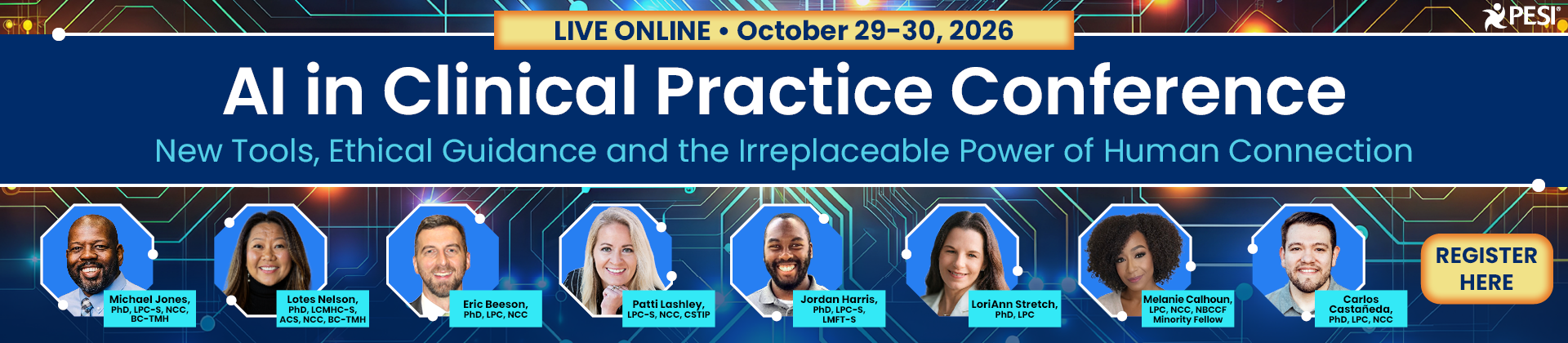
That’s why we teamed up with Dr. Michael Jones, clinician, AI researcher, and former ACA ethics committee member to bring together 8 leading voices in counseling, supervision and AI research.
Over 2 days of must-have instruction, they’ll give simple step-by-step guidance that goes beyond overviews and shows you “what to actually do” so you can navigate AI with confidence instead of confusion…
…whether you need to know how to respond to client AI use or are looking to use AI in your practice.
PLUS this event gives you an opportunity you won’t find anywhere else – a chance to get answers to the biggest AI questions you’re facing today.
Don’t be left guessing, scrambling to catch up, feeling like you’re doing something wrong or putting clients at risk.
Register now!
- 30 Day replay access
- Real-time communication with speakers and peers
- BONUS: AI, Grief and the Ethics of Digital Afterlives
- Earn up to 12 live CE hours and up to 1 self-study CE hours
Credit approvals may differ per session
- Unlimited access to all sessions
- Self-paced learning anywhere, any time
- BONUS: AI, Grief and the Ethics of Digital Afterlives
- Earn up to 13 self-study CE hours
Self-study CE hours and approvals may vary from live event
Your registration is 100% risk-free. Cancel at any time for a complete refund.
You don't have to figure out AI alone
Join our faculty of experts for the guidance you need to get AI right.- Unsure what's safe, ethical, or actually useful in clinical work.
- Clear on what AI can do and how you can use it responsibly.
- Looking for what to do when clients tell you they're asking ChatGPT about their symptoms.
- Knowing what to say and do when clients bring AI generated information into sessions.
- Spending excessive time on notes and administrative tasks.
- Having expert advice on AI tools that can reduce admin burden and reclaim clinical focus.
- Feeling behind, overwhelmed or worried by rapid tech changes in mental health.
- Feeling informed, empowered, and future-ready rather than reactive.
- Uncertain how you should guide supervisees on AI use.
- Able to set expectations, boundaries, and supervision standards around AI-supported work.
- Unsure how to respond when a client discloses an unhealthy intimate relationship with AI.
- Knowing how to guide clients back toward genuine, sustainable connection.
- Worried AI is all risks and no benefits.
- Seeing where you can leverage AI to become a better therapist.

Most conversations about AI in clinical work start with rules. But what if we brought it back to the heart of our work — relationships. Join clinician, AI researcher and your host Dr. Michael Jones for the summit kickoff! Dr. Jones will reorient you from checkbox compliance toward attentiveness, responsibility and trust as the foundation for ethical AI integration.
You'll Learn:
- What's already in the room with your clients
- Why compliance-based thinking is insufficient
- Five principles applied to AI integration
- Case applications: documentation tools, chatbots, and AI-assisted assessment
- Practical steps to building an ethical AI practice framework

Guess what? Your clients are already “consulting” ChatGPT…asking about their symptoms, even seeking advice about treatment. In many ways, they’re bringing a third voice into the therapy room…one you never invited and may not even know is there.
Join Dr. Lotes Nelson for the straight talk conversation about language, boundary-setting strategies, and therapeutic responses you can use when clients bring AI-generated information into the counseling session.
You'll Learn:
- What clients are actually asking AI...and why it matters clinically
- How to respond when clients trust AI-generated advice more than your clinical guidance
- Practical ways to set boundaries so AI does not become a hidden ‘co-therapist’ in treatment
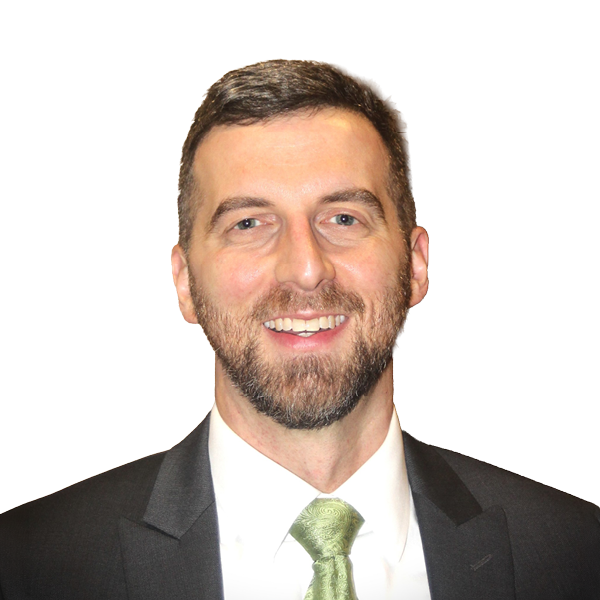
AI hallucinations. Sycophantic responses. Cognitive overload. When AI gets it wrong it can amplify clients’ distress and negatively impact the treatment process. But with responsible AI use strategies you can mitigate these risks and promote the well-being of those you serve. Join Dr. Eric Beeson for a critical session that will build your AI fluency, show you where the risks lie, and equip you with remedies at each phase of client personal use and the treatment process.
You'll Learn:
- How to understand the architecture of AI tools
- What you need to know about AI sycophancy and "AI psychosis"
- How to screen for vulnerability specific risks
- AI and digital literacy education for clients
- The difference between general use AI and fine-tuned tools
- How to evaluate tools for your use or your clients use
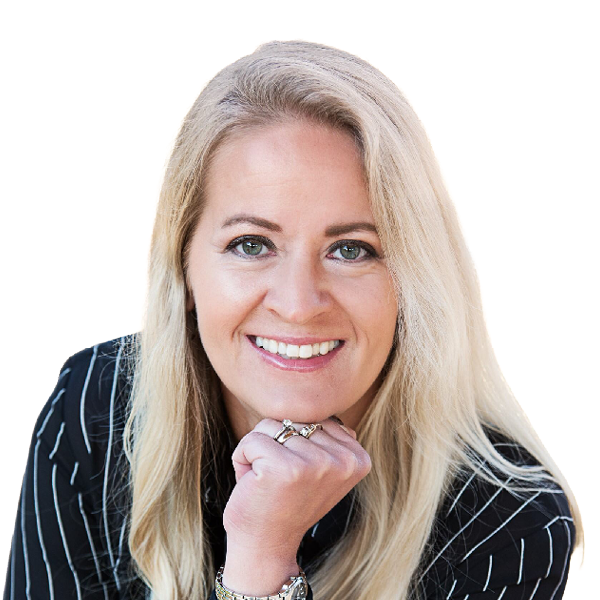
Michael Jones, PhD, LPC-S, NCC, BC-TMH | Click here for information about Michael Jones
Clients are turning to AI for emotional safety, validation, and connection -- leading to fantasy bonding, displaced sexuality, and attachment distortion. This session offers practical strategies for identifying when AI deepens relational wounds and how to guide clients back toward genuine, sustainable connection.
You'll Learn:
- Who's turning to AI: loneliness, trauma history, and attachment style
- How fantasy bonding, compulsive use, and displaced intimacy impact clients
- What you need to know about attachment distortion and the illusion of reciprocal connection
- Clinical strategies to redirect clients toward real-world connection

AI-assisted documentation is one of the fastest-adopted tools in clinical practice today. But what's actually allowed? What's safe? What's ethical? And how do you make things easier without inadvertently violating HIPAA or professional guidelines?
This session cuts through the hype and delivers real answers including how to use AI-assisted documentation to create notes faster and better than ever, all while staying legally and ethically compliant.
You'll Learn:
- How AI-assisted documentation is changing clinical practice
- HIPAA, ethics, and compliance: what you need to know
- How to use AI Tools for notetaking and EHR Integration
- Red flags and best practices

AI is reshaping clinical supervision faster than our ethics codes and laws can keep up. Join Dr. LoriAnn Stretch for a practical, research-informed guide to supervising responsibly in an AI-integrated world. Drawing on key mental health ethical codes, federal and state legal standards, and emerging research, you'll leave with tools to guide supervisees, protect clients, and establish clear AI policies in your practice.
You'll Learn:
- How AI tools are changing supervisory dynamics, power differentials, and the developmental needs of supervisees
- How supervisors can reason ethically in the absence of explicit guidance
- Legal considerations and liability implications of AI use by supervisees
- How to develop supervision policies to guide supervisees in responsible AI use

Michael Jones, PhD, LPC-S, NCC, BC-TMH | Click here for information about Michael Jones
Join Melanie Calhoun and Dr. Michael Jones for a conversation about AI as a cultural ally in mental health work. Melanie brings the clinical lens, showing how AI tools can help practitioners reduce bias, expand understanding, and better support clients from diverse backgrounds. Dr. Jones brings the educator and ethics lens, situating these tools within a relational care framework so that AI supports rather than replaces the human connection at the heart of the work. Together we will explore practical tools, ethical tensions, and what it looks like to integrate AI into culturally responsive practice without losing the soul of counseling.
You'll Learn:
- Strengths and limitations of AI with marginalized and underrepresented clients
- Where bias commonly enters the room, and how AI can help surface it
- AI tools to support culturally responsive training, supervision, and clinician growth
- AI in overcoming language and access barriers in mental health
- Integrating AI as an ethical ally that supports human connection and clinical expertise

Research shows that AI already matches or exceeds human therapists in areas like diagnosing, assessing risk, even empathy. It’s even earning high marks from clients on perceived support and connection. And AI clinical skills will only get stronger. So where does that leave us? With an opportunity. A big one. Join Dr. Jordan Harris for an energizing closing session that reframes the rise of AI not as a threat to our profession, but as a call back to our deepest strength: the relational craft of therapy. Plus, he’ll provide specific tools to enhance your own therapeutic relational skills.
You'll Learn:
- What we know about AI empathy scores, diagnostic accuracy and risk assessment
- How AI is impacting the therapeutic alliance, presence, attunement and co-regulation
- How to build skills through deliberate practice, routine outcome monitoring and process coding
- Why the future of therapy is more human, not less

Megan Devine, LPC | Click here for information about Megan Devine
AI is transforming grief and counseling must keep pace. From grief bots and voice cloning to digital avatars, emerging technologies are reshaping how people maintain bonds with deceased loved ones. While some find comfort, others risk emotional dependency and complicated grief, and most clinicians lack a framework for response. Join Michael Jones, PhD, LPC-S, NCC, BC-TMH, for an essential session featuring a special conversation with grief expert Megan Devine, LPC.
You'll learn to:
- Understand how clients use AI-mediated grief tools and their impact on healthy grieving
- Apply ethical frameworks and continuing bonds theory to guide clinical conversations
- Assess benefits, risks, and red flags while maintaining professional boundaries
- 30 Day replay access
- Real-time communication with speakers and peers
- BONUS: AI, Grief and the Ethics of Digital Afterlives
- Earn up to 12 live CE hours and up to 1 self-study CE hours
Credit approvals may differ per session
- Unlimited access to all sessions
- Self-paced learning anywhere, any time
- BONUS: AI, Grief and the Ethics of Digital Afterlives
- Earn up to 13 self-study CE hours
Self-study CE hours and approvals may vary from live event
Your registration is 100% risk-free. Cancel at any time for a complete refund.
If you are ready to feel more confident and grounded as AI becomes a real presence in the therapy room, this summit is for you. Over two focused days, you will learn how to respond when clients bring AI generated ideas, misinformation, or emotional attachments into session, while also discovering how to use AI in your own practice in ways that support rather than replace your clinical judgment. With clear, practical guidance from leading experts in counseling and AI ethics, you will gain the tools and perspective needed to navigate emerging risks, maintain strong therapeutic boundaries, and support clients in a world where AI already shapes their thoughts, behaviors, and relationships. This is your chance to move from uncertainty to clarity in one of the most pressing issues facing modern clinicians!
Is this really live?
YES, both days will be live online and most sessions will be around 90 minutes.
Will I be able to ask the speakers questions live?
YES! All sessions will include live Q&A in the last 10-15 minutes of the training.
Can I get CE for this summit?
Continuing education credit is provided for psychologists, social workers, mental health counselors, marriage and family therapists, and psychotherapists. You must attend live in order to earn CE hours for the live sessions.
If I can't attend LIVE, can I still get credits?
Yes! Just register for our fully on-demand version of this conference, which will be available 4-6 weeks after the live event dates of October 29-30, 2026. You'll get unlimited access to the summit and will be able to earn self-study CE hours! Click here to learn more and register to earn CE on your own schedule.
Will there be breaks during the live summit?
There will be a 30-minute lunch and 10-minute breaks between each workshop. The detailed schedule is above.
I still have a question. Who do I contact?
Reach out to Contact Us for questions. We're happy to help!
- 30 Day replay access
- Real-time communication with speakers and peers
- BONUS: AI, Grief and the Ethics of Digital Afterlives
- Earn up to 12 live CE hours and up to 1 self-study CE hours
Credit approvals may differ per session
- Unlimited access to all sessions
- Self-paced learning anywhere, any time
- BONUS: AI, Grief and the Ethics of Digital Afterlives
- Earn up to 13 self-study CE hours
Self-study CE hours and approvals may vary from live event
Your registration is 100% risk-free. Cancel at any time for a complete refund.