
What your clients eat and drink affects many of the issues that bring them into therapy – and yet few therapists were ever taught to ask about it.
Three daily cups of coffee. A nightly piece of dark chocolate. A celebratory milkshake. These everyday habits can affect sleep, anxiety, energy, and emotional regulation in ways that often go unnoticed, by both clients and clinicians.
Most therapists understand that trauma lives in the body. Yet few are taught how to recognize food choices, cravings, and eating patterns as expressions of nervous system states and adaptive survival strategies.
And the truth is – the foods your clients reach for may reveal more than hours of conversation.
Join trauma expert Aimie Apigian, MD and nutritionist Luis Mojica for a practical, trauma-informed workshop and discover the hidden connection between food, cravings, and nervous system regulation. Over the course of the day, you’ll learn:
- How adrenaline and cortisol influence cravings, eating behaviors, and trauma symptoms
- What food choices can reveal about activation patterns, freeze responses and unmet needs
- How to recognize when clients are using food as a form of nervous system regulation
- Practical somatic interventions to help clients metabolize stress more effectively
- Ways to integrate these insights into your clinical work, even if you have no nutrition training
Register today to discover how these overlooked clues can help unlock new pathways to healing.
Trauma and Nutrition in Therapy
Integrating the Biology of Stress, Activation and Unmet Needs
January 28, 2027 · 9:00 AM–5:00 PM CT
The Survival Strategy Hiding in Plain Sight
Every week, your client walks into her 9:00 a.m. session holding a large iced latte. It barely registers. Grabbing coffee on the go is about as ordinary as habits get.
Then one morning, she mentions that she only gets one on therapy days.
After this training, you’ll recognize that detail as a signal from a nervous system shaped by trauma, as telling as a held breath, a shrinking posture, or an abrupt change of subject when certain memories surface.
The caffeine, the chocolate, the sugar: they’re all stimulants, pushing her nervous system into high gear minutes before she sits down with you.
It’s easy to assume she’s tired. Trauma disrupts sleep, and she’s told you about the nights she lies awake.
Stimulants can also lift someone up and away from what’s sitting just beneath the surface: unwanted memories, sadness, grief, and vulnerability. On therapy days, when all of it is most likely to surface, she arrives already braced against it.
She’s fortifying herself against the very work she came to do.
Once you see that, you have a new window into how her body learned to survive, and what it needs to heal.
In one day with Dr. Apigian and Luis Mojica, you’ll learn what to ask her, how to talk about it without shame, and which somatic tools can give her body another way to meet what comes up, all without offering a word of dietary advice.
Trauma and Nutrition in Therapy
Integrating the Biology of Stress, Activation and Unmet NeedsJanuary 28, 2027 · 9:00 AM–5:00 PM CT
What You’ll Learn
Morning Session 9:00am – 12:50pm CT
Trauma leaves the nervous system hunting for relief. You’ll see how clients recruit food to supply it, and what adrenaline and cortisol have to do with the cravings.
- Adrenaline vs. cortisol: Why we’ve been focusing on the wrong stress hormone
- The window of activation: Mapping when food becomes self-medication
- Live demonstration: Reading cravings as nervous system communication
- Case examples: Coffee, sugar, and carbs as functional freeze breakers
Every craving has a job. These tools help you uncover what it is and give clients body-based options that do the job better; no nutrition degree required.
- The sociometry of cravings: Interactive group mapping exercise
- Three-category framework: Stimulants, depressants, and balancers in trauma work
- Glucose-stress tracking: Simple observation techniques for therapists
- Parts work adaptation: “Meeting the part that binges” demonstration
Afternoon Session 2:00pm – 5:00pm CT
What clients eat before session, why some can’t stop snacking, and how to talk about it all without shame or dietary advice.
- Recognizing the “therapy day latte”: What clients’ pre-session foods reveal
- Histamine-trauma connection: Why some clients can’t stop snacking
- Breaking the functional freeze-food cycle without dietary advice
- Creating safety without shame: Trauma-informed language for food behaviors
Body-based work with trauma survivors calls for extra care. This section covers where the research stands, where your role ends, and how to keep clients safe.
- Limitations of current trauma-nutrition research
- Scope of practice: Knowing when to refer to medical/nutrition professionals
- Cultural considerations in food and somatic interventions
- Potential risks: Avoiding re-traumatization through body-based practices
+ Click Here for Learning Objectives
- Identify observable signs of an adrenaline response in clients during sessions.
- Categorize common foods and food behaviors as stimulants, depressants, or balancers based on their effects on the nervous system.
- Implement a step-by-step approach for guiding a client out of a functional freeze response during session.
- Apply titration and pacing techniques to help clients engage with emotionally charged sensations while minimizing the risk of re-traumatization.
- Use a parts-informed, three-question craving inquiry to identify the unmet emotional or relational need a client’s craving may be serving.
- Reframe a client’s reflexive eating as a nervous system response using shame-free, non-prescriptive language.
- Determine when a client’s food-related concerns warrant referral to a physician, dietitian, or eating disorder specialist.
Trauma and Nutrition in Therapy
Integrating the Biology of Stress, Activation and Unmet NeedsJanuary 28, 2027 · 9:00 AM–5:00 PM CT
“Is This Even in My Scope?”
It’s the right question. Food sits close to medical territory, and no therapist wants to step past what their license covers.
This training was built with that boundary in mind. You’ll learn to notice, ask, and work with what food patterns reveal about the nervous system, using skills you already practice: curiosity, attunement, parts work, and somatic tracking.
Meal plans and diet recommendations stay with dietitians and physicians. A full section of the day covers where your role ends and when to refer.
Scope of practice varies by license and state, so review your licensing board’s guidelines as you apply these skills.
Review the credit details to confirm whether CE hours are available for you.
What you’ll work with
- What food patterns reveal about the nervous system
- Curiosity and attunement
- Parts work
- Somatic tracking
What stays with dietitians and physicians
- Meal plans
- Diet recommendations
- Knowing when to refer to a physician, dietitian, or eating disorder specialist
What Attendees Are Saying
These two were a great duo, balancing the medical with the therapy application… Loved the intersection between health and trauma… there are so few resources really addressing this.
April H. · Social Worker
This was exceptional, something all mental health clinicians should learn.
Kelly B. · Addictions Social Worker
I thought it would be a standard nutrition session, but it was so much more than that.
Julia K. · Attendee
Learn from a Physician and a Nutritionist
MD, MS, MPH
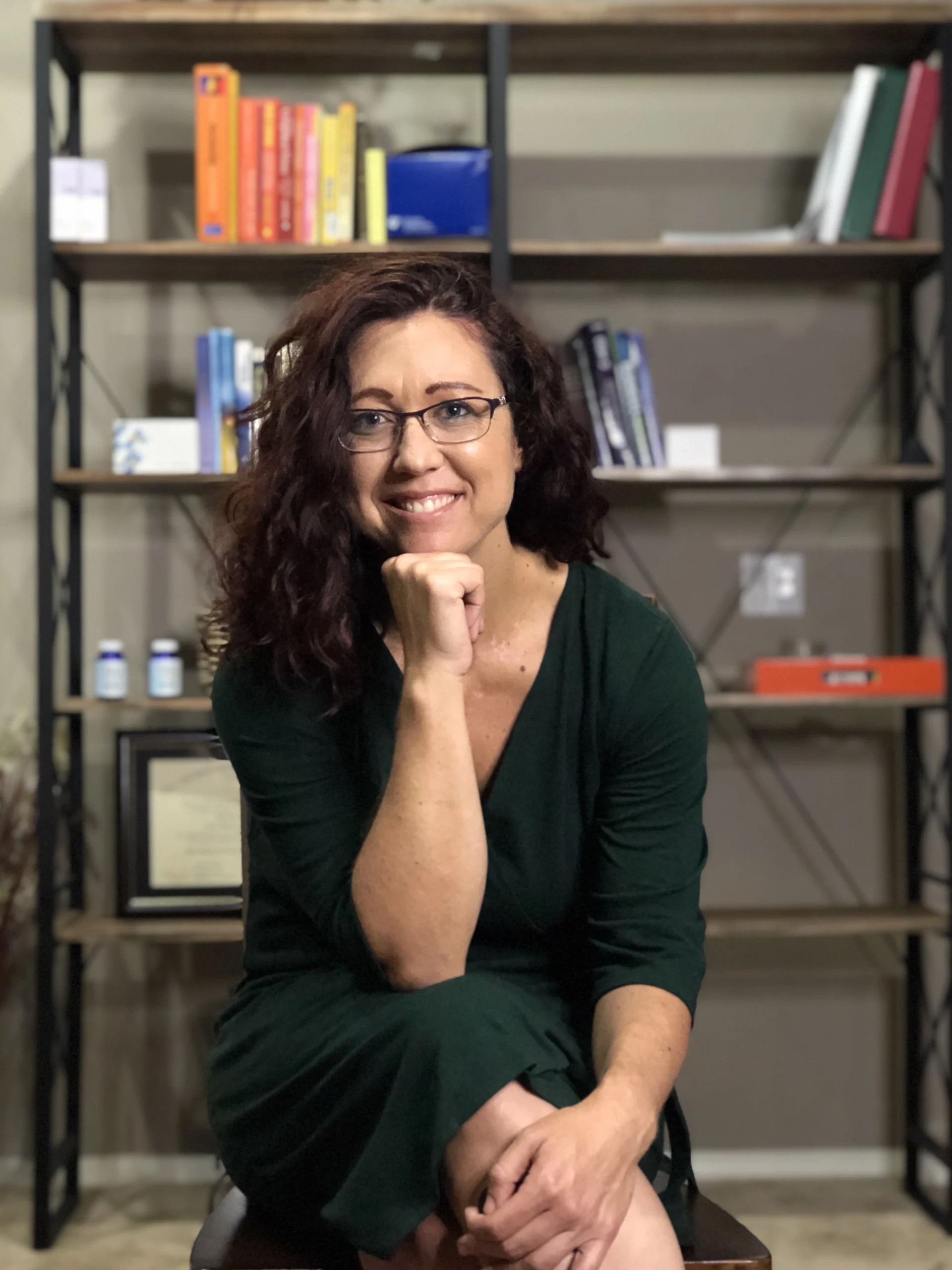
Aimie Apigian, MD, MS, MPH
Aimie Apigian, MD, MS, MPH, is a double board-certified physician in preventive and addiction medicine, as well as a certified functional medicine practitioner with training in Somatic Experiencing and Instinctual Trauma Response, and a trainer in Relational Trauma Repair.
Her recent book, The Biology of Trauma, explores the science of how the body experiences trauma, why it holds on to it, and the biology for healing.
Information about Aimie Apigian
Luis Mojica
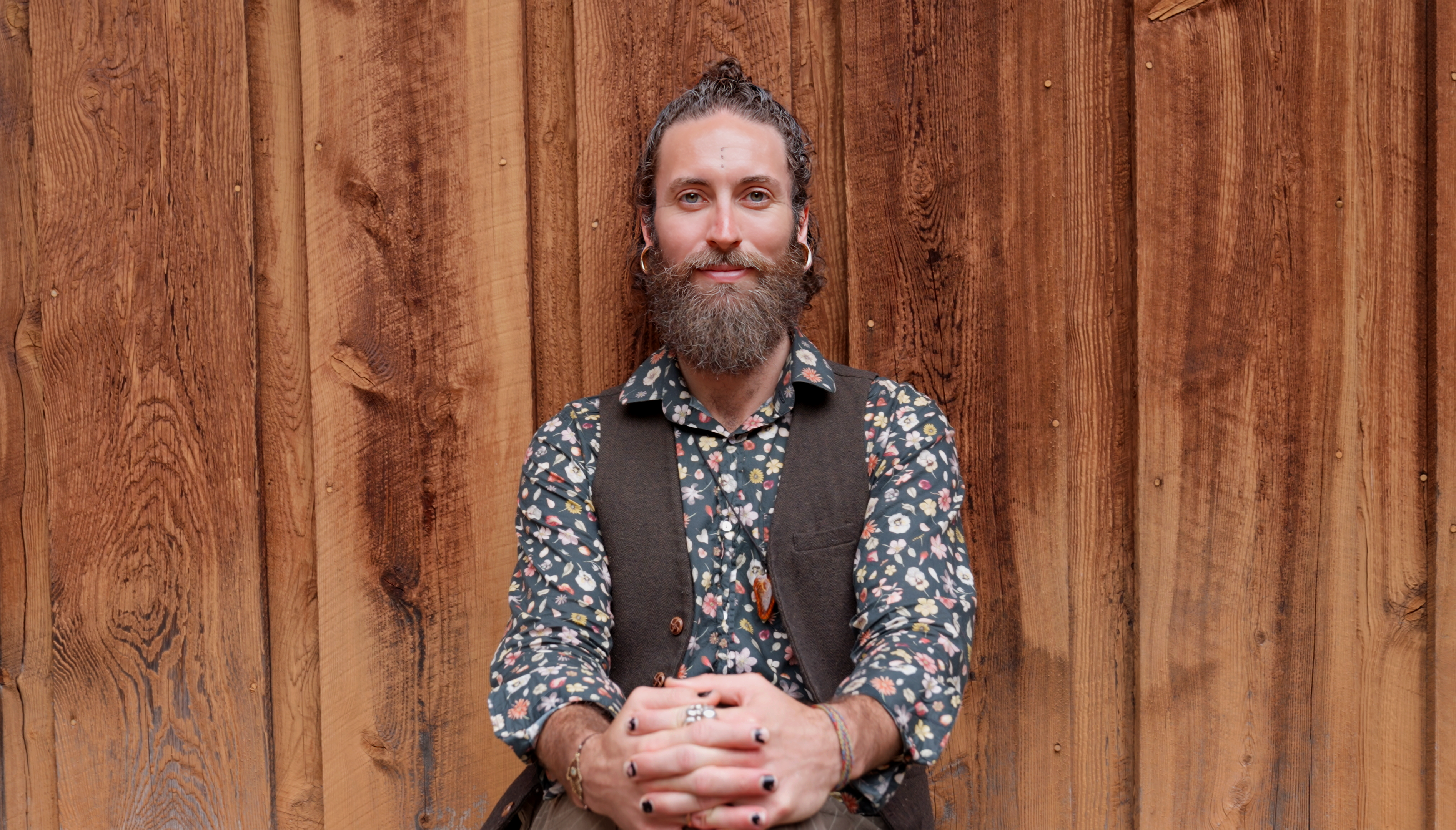
Luis Mojica is a nutritionist and the founder of Holistic Life Navigation, a company that helps people learn what their cravings are telling them about their unmet needs, as well as how to use food as a form of therapy to recover from stress, trauma, and addiction.
He works internationally, offering webinars, podcasts, courses, and retreats. He’s the author of Food Therapy.
Information about Luis Mojica
Trauma and Nutrition in Therapy
Integrating the Biology of Stress, Activation and Unmet NeedsJanuary 28, 2027 · 9:00 AM–5:00 PM CT
Questions Before You Register
Is this in my scope of practice?
This training was built for psychotherapists, and it directly addresses what is and isn’t within their scope of practice. You’ll learn to notice, ask, and work with what food patterns reveal about the nervous system, using skills you already practice: curiosity, attunement, parts work, and somatic tracking. No health advice, meal planning, or diet recommendations. Plus, there’s a full section of the day dedicated to helping you recognize where your role ends and when to refer out.
Scope of practice varies by license and state, so review your licensing board’s guidelines as you apply these skills.
What will the schedule look like?
The training will happen live online on Thursday, January 28, 2027.
The morning session runs 9:00am–12:50pm with a 15-minute break, followed by lunch from 12:50pm–2:00pm. The afternoon session runs 2:00pm–5:00pm with a 15-minute break. All times are listed in Central Time. Please note: For live CE credit, you must watch the live presentation in its entirety at its scheduled time and complete the CE quiz and evaluation within one week. Please note that this requirement may vary by credit type. Please see detailed credit information for specific requirements for each credit type.
Do I have to attend live?
No! If you can't attend live, pre-order the on-demand recording instead. Once it's made available, you can watch on your own schedule. You can pause, replay, and review the materials as often as you like, with no expiration. Please note: the on-demand recording is made available 3-4 weeks after the live event.
Click here to pre-order the on-demand recording!
As a live participant, will I have access to the recording?
Yes! Live participants will receive 90-day access to the recording for informational purposes. Live participants must attend live to receive credit.
Is this training right for me?
This training is designed for:
Review the credit details to confirm whether CE hours are available for you.