
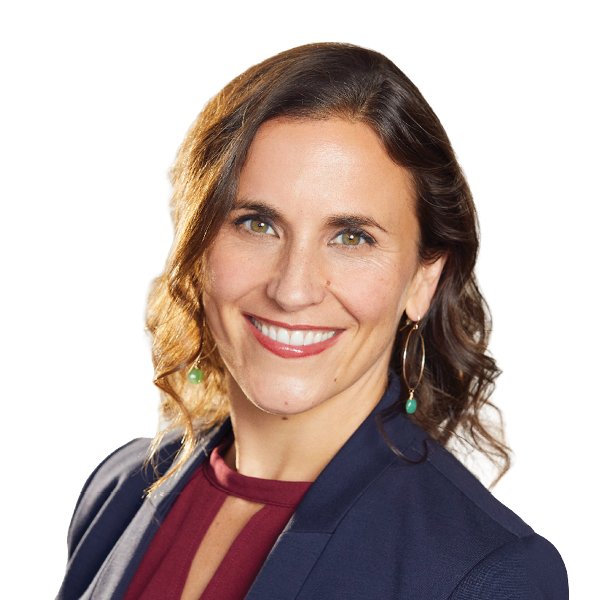
 Stacy Ruse, LPC, E-RYT-500
 Christine Mark-Griffin, LCSW, RYT, Certified EMDR therapist
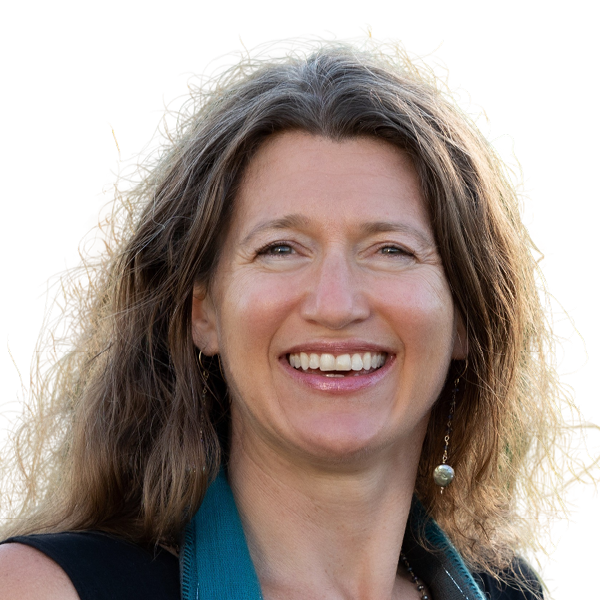
 Lisa Danylchuk, LMFT, E-RYT
 Joanne Spence, D.Min., ERYT-500, C-IAYT
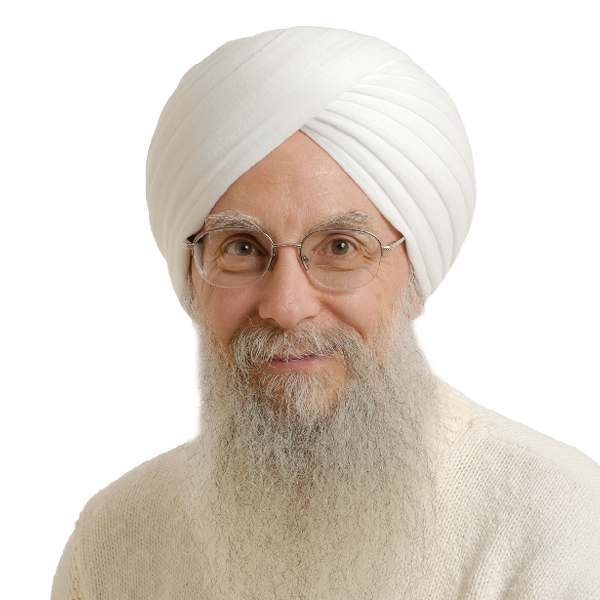 Sat Bir Singh Khalsa, PhD
Trauma isn't just remembered. It's held in the nervous system.
Muscles brace. Sensation dulls. Breath pattern change. The nervous system learns to live on high alert, as if danger is always just a moment away.
This is where so many trauma therapies fall short because they don't give the nervous system a way to truly feel that it's safe.
Trauma-informed yoga fills that gap — meeting the body exactly where trauma lives.
Instead of pushing through discomfort, it uses choice, pacing, breath, and gentle movement to help the nervous system experience a new sense of safety. Clients don't just understand safety — they begin to feel it. And that shift is what makes lasting trauma recovery possible.
Now you can join world‑renowned trauma expert Arielle Schwartz, along with a hand‑selected faculty of leaders in somatic and nervous system-informed trauma work for a first of-its-kind online summit designed to show you how to create real, nervous system-level change in your sessions.
In just two days, you'll gain the clinical clarity, practical tools, and hands-on guidance you need to start doing this work immediately — so you can integrate trauma-informed yoga into your sessions with confidence and precision.
This is not yoga as exercise.
This is yoga as nervous system repair.
And once you experience it, it will fundamentally change your work with trauma.
ALL-ACCESS PASS
(Total value $1,169.85)
- 30 day on-demand replay access
- Real-time communication with speakers and peers
- Bonus bundle valued at $329.97
- Earn up to 17 CE hours, including: up to 12 live CE hours & up to 5 self-study CE hours
Credit approvals may differ per session
(Total value $1,169.85)
- Unlimited access to every session
- Self-paced learning anywhere, any time
- Bonus bundle valued at $329.97
- Earn up to 17 self-study CE hours
Self-study CE hours and approvals may vary from live event
Your registration is 100% risk-free. Cancel at any time for a complete refund.
This summit is designed to elevate how you treat trauma — so your clients don't just cope during sessions... they experience relief that carries into their everyday lives.
Your host, Dr. Arielle Schwartz, is trained in many of the field's most respected trauma approaches, including EMDR, somatic therapies, and parts-based models. But through decades of clinical work, she's come to a powerful realization: trauma informed yoga isn't supplemental — it's foundational to support healing at the deepest levels where trauma is actually held.
Now, you can learn directly from the clinicians and researchers who are at the forefront of applying these powerful methods.
In just two days: you'll learn the skills... you'll see them applied... and you'll walk away prepared to integrate trauma-informed yoga techniques with confidence into your practice.
In addition to Dr. Arielle Schwartz, you’ll be guided by:
- Sat Bir Singh Khalsa, PhD — a Harvard affiliated researcher and one of the world’s leading scientific authorities on yoga, mind body medicine, and the psychophysiology of trauma recovery.
- Joanne Spence, D.Min., ERYT-500, C-IAYT, YACEP — trauma therapist and educator known for translating trauma informed yoga principles into accessible, clinically grounded practices therapists can use immediately.
- Lisa Danylchuk, LMFT, E-RYT — internationally recognized trauma trainer and author who integrates movement, somatic awareness, and trauma-informed yoga into advanced trauma resolution work.
- Christine Mark-Griffin, LCSW, RYT — expert EMDR clinician and consultant specializing in integrating trauma-informed yoga with EMDR to support nervous system regulation during trauma processing.
- Stacy Ruse, LPC, E-RYT-500 — trauma-informed yoga therapist and educator focused on adapting embodied practices for dissociation, hypoarousal, and complex developmental trauma.
 Dr. Arielle Schwartz, CCTP-II, E-RYT, EMDR-C Joanne Spence, D.Min., ERYT-500, C-IAYT, YACEP Stacy Ruse, LPC Sat Bir Singh Khalsa, PhD
Dr. Arielle Schwartz, CCTP-II, E-RTY, EMDR-C | Click here for information about Arielle Schwartz
In this workshop, you'll be introduced to therapeutic yoga as a powerful, body-based approach to trauma treatment. Grounded in Polyvagal Theory and neuroscience, you'll learn practical ways to integrate breath, movement, and awareness into your clinical work.
Through experiential practice and clear application, you'll gain tools to support regulation, restore a sense of safety, and work more effectively with trauma—without needing prior yoga training.
You'll walk away with:
- A clear, step-by-step approach to bringing therapeutic yoga into your sessions
- Simple, effective techniques to regulate the nervous system in real time
- The confidence to apply body-based interventions safely and ethically—no yoga background needed
- A new lens for understanding trauma as physiological dysregulation—not just a cognitive process
Join internationally recognized researcher and Harvard educator Sat Bir Singh Khalsa to explore scientific and clinical wisdom for applying yoga as a trauma therapy. Since trauma is not just a mental disorder but also a mind-body disorder, you’ll explore how yoga-based and other somatic mind body therapies can offer effective, practical tools for supporting clients.
You’ll walk away with the skills to:
- Support trauma clients through a holistic, mind-body lens
- Explain the evidence base for the efficacy of yoga to your clients
- Match mind-body interventions to the specific needs and readiness of your client
Arielle Schwartz, PhD | Click here for information about Arielle Schwartz
Building on Sat Bir Singh Khalsa’s research, in this session, you’ll move beyond understanding the science into confidently applying mind-body practices in your clinical work. Through guided experiential exercises, you’ll feel firsthand how yoga-informed, somatic approaches support regulation, resilience, and integration—and learn how to translate those experiences into clear, client-centered interventions you can use right away.
This workshop focuses on the “how” you’ve been looking for: how you introduce practices, how you track nervous system responses as they unfold, and how you adapt interventions to meet each client’s readiness and needs. You’ll leave with practical tools and language that fit seamlessly into your sessions, helping you work more effectively and confidently within your scope.
You’ll walk away able to:
- Apply trauma-informed, yoga-based and somatic practices directly in your clinical sessions
- Track and respond to your clients’ nervous system cues in real time
- Use clear, invitational language that supports safety, choice, and agency
- Match mind-body interventions to your clients’ readiness, goals, and context
- Integrate brief, effective practices into your sessions without disrupting flow
This session translates the growing research on yoga and somatic practices into practical, ethical, and clinically applicable tools that can be safely integrated into psychotherapy within scope of practice. You’ll develop skills to support nervous system regulation when cognitive insight alone is not accessible.
You’ll walk away with skills to:
- Determine when embodied practices are appropriate and implement them safely and within scope of practice
- Guide simple, effective practices (e.g., breath awareness, grounding, gentle movement) in a manner consistent with scope of practice
- Integrate somatic interventions that complement existing modalities and remain within professional scope
Arielle Schwartz, PhD | Click here for information about Arielle Schwartz
This experiential workshop helps clinicians move from insight into embodied practice. Participants will engage in guided, trauma-informed practices to understand how body-based interventions support regulation, and learn how to introduce them clearly, safely, and within scope of practice in clinical settings. The focus is on confidence, choice, and translation—knowing what to offer, how to offer it, and when it fits.
You’ll walk away able to:
- Experience and demonstrate trauma-informed, body-based practices appropriate for clinical use
- Use clear, invitational language that supports safety and client agency
- Recognize and respond to nervous system cues in real time
- Integrate brief, scope-appropriate practices into time-limited sessions
Stacy Ruse, LPC | Click here for information about Stacy Ruse
Joanne Spence, D.Min., ERYT-500, C-IAYT, YACEP | Click here for information about Joanne Spence
Join Dr. Arielle Schwartz in conversation with Stacy Ruse and Joanne Spence for an honest, behind the scenes look at what it really means to integrate yoga into trauma treatment.
In this interactive panel, you’ll explore the benefits of trauma informed yoga for clients with complex presentations, including CPTSD, dissociation, and hypoarousal. You’ll gain insight into how this work shows up across settings—from one-on-one sessions to group work—as well as important cultural considerations when working with the body.
You’ll walk away with:
- Real-world methods to adapt practices for dissociation, hypoarousal, and CPTSD in session
- Clarity on when, where, and how to introduce body-based work safely and effectively
- Approaches for navigating resistance, shutdown, and client discomfort in the body
- A more culturally attuned lens for applying somatic interventions in diverse populations
Dr. Arielle Schwartz, CCTP-II, E-RYT, EMDR-C Lisa Danylchuk, LMFT, E-RYT Christine Mark-Griffin, LCSW, RYT Stacy Ruse, LPCMove beyond cognitive interventions and into the body where regulation actually happens. This dynamic, experiential session equips clinicians with practical, trauma-informed tools to support nervous system regulation using breathwork, yoga-informed movement, and co-regulation. Grounded in neuroscience and designed for real-world application, you’ll learn how to confidently integrate bottom-up strategies that enhance safety, flexibility, and connection in your clinical work.
You'll walk away with the skills to:
- Apply simple, evidence-informed breathwork, movement, and grounding techniques in-session to support real-time nervous system regulation
- Assess arousal states and make confident clinical decisions around pacing, intervention choice, and contraindications
- Use your own presence and attunement as a therapeutic tool to strengthen co-regulation and support client safety
Arielle Schwartz, PhD | Click here for information about Arielle Schwartz
Designed for immediate clinical application, this session emphasizes how to tailor interventions to the moment—refining your ability to track responses, adjust pacing, and offer practices in ways that enhance safety, flexibility, and therapeutic connection. You’ll leave with a more embodied understanding of the tools you use, along with practical strategies to integrate them seamlessly into your sessions.
You’ll walk away with the skills to:
- Sequence and layer yoga-based practices to support regulation, integration, and therapeutic goals
- Modify practices in real time to address common clinical challenges such as hypoarousal, overwhelm, or dissociation
- Bridge body-based experiences with clinical processing to deepen insight and integration without losing regulation
- Build client capacity for self-awareness and self-regulation through repeatable, skill-based practices
This engaging, experiential workshop invites clinicians into a dynamic, integrative approach that weaves together EMDR therapy and trauma-informed yoga to support healing in both the mind and body. Participants will discover how the structured 8 phases of EMDR can come alive through embodied, body-based practices inspired by the Eight Limbs of Yoga, offering a holistic, flowing pathway for processing trauma, regulating the nervous system, and cultivating more adaptive, resilient beliefs.
You’ll walk away with the skills to:
- Regulate the nervous system using yoga-informed practices within EMDR
- Integrate bilateral, rhythmic, and body-based interventions safely and effectively
- Enhance co-regulation and clinical presence through embodied awareness
Arielle Schwartz, PhD | Click here for information about Arielle Schwartz
Explore how to bring the body into EMDR in a way that feels natural, responsive, and clinically effective. Through guided practices and real-time application, you’ll experience how movement, breath, and interoceptive awareness can be woven into EMDR phases to help clients stay present, engaged, and within a workable range during trauma processing. As you practice these skills, you’ll build confidence tracking subtle nervous system shifts, titrating activation, and responding to patterns such as shutdown, overwhelm, or fragmentation as they emerge. The focus is on helping you deepen processing while maintaining safety, flexibility, and therapeutic flow. This engaging, experiential workshop invites clinicians into a dynamic, integrative approach that weaves together EMDR therapy and trauma informed yoga to support healing in both the mind and body. Participants will discover how the structured 8 phases of EMDR can come alive through embodied, body-based practices inspired by the Eight Limbs of Yoga, offering a holistic, flowing pathway for processing trauma, regulating the nervous system, and cultivating more adaptive, resilient beliefs.
You’ll walk away with the skills to:
- Practice integrating movement, breath, and awareness techniques into EMDR phases in real time
- Use titration and pacing strategies to help clients stay engaged without becoming overwhelmed or shutting down
- Work directly with somatic patterns such as dissociation, collapse, or agitation as they arise in session
- Bridge body-based experience with EMDR targets and adaptive belief formation
Discover how balance, movement, and the vestibular system influence nervous system regulation, trauma recovery, and resilience. Learn practical somatic strategies to enhance orientation, improve stability, and restore a greater sense of safety in the body.
You’ll walk away with the skills to:
- Practice integrating movement, breath, and awareness techniques into EMDR phases in real time
- Use titration and pacing strategies to help clients stay engaged without becoming overwhelmed or shutting down
- Work directly with somatic patterns such as dissociation, collapse, or agitation as they arise in session
- Bridge body-based experience with EMDR targets and adaptive belief formation
Session details coming soon...
This final session offers space to gently integrate what you’ve learned and reconnect with your body and breath. Arielle will share key reflections to help you carry trauma-informed principles into your personal and professional life with intention and care.
You’ll also have the chance to ask your final questions to gain clarity and receive real-time support.
ALL-ACCESS PASS
(Total value $1,169.85)
- 30 day on-demand replay access
- Real-time communication with speakers and peers
- Bonus bundle valued at $329.97
- Earn up to 17 CE hours, including: up to 12 live CE hours & up to 5 self-study CE hours
Credit approvals may differ per session
(Total value $1,169.85)
- Unlimited access to every session
- Self-paced learning anywhere, any time
- Bonus bundle valued at $329.97
- Earn up to 17 self-study CE hours
Self-study CE hours and approvals may vary from live event
Your registration is 100% risk-free. Cancel at any time for a complete refund.
- Register today and unlock 3 bonus sessions — FREE!
When you sign up for the summit, you'll receive three sessions on the most critical trends in trauma treatment — made available immediately after registration. - That's up to 5 additional CE hours included — a $329.97 value — yours at no extra cost.
Join Arielle Schwartz as she bridges the path of healing between the psyche and the body. Grounded within the principles of Polyvagal Theory, affective neuroscience, and trauma-informed care, she’ll equip you with research-based somatic tools and yoga-based breath, movement, and awareness practices – to reduce the burdens of trauma, anxiety, obsessive thinking, and feelings of hopelessness from your client’s body and mind!
Being trauma-informed means understanding the ways that neuroplasticity allows clients to flourish after traumatic experiences. As clients feel stronger, more self-accepting, and have an increased sense of purpose and belonging, their symptoms will decrease, their relationships will deepen, and they can access greater joy, appreciation, and connection. This session will empower you with practical tools — such as the six pillars of resilience—to facilitate a strength-based approach to trauma recovery.
Join Arielle to explore the future of trauma treatment and discover how neuroscience, embodiment, and compassionate presence are transforming clinical practice. With her unique expertise, you’ll gain insights on integrating neurobiological principles, embodied healing, and self-compassion to support trauma survivors in deep and lasting ways.
Trauma-informed yoga prioritizes nervous-system safety over performance or physical fitness. Rather than focusing on achieving poses, it emphasizes choice, pacing, breath, and internal awareness to support regulation and a felt sense of safety. There are no commands, no pressure to push through discomfort, and no hands on adjustments.
These interventions are designed to help people feel safe in their bodies, making them especially effective — and appropriate — for trauma recovery and clinical settings.
Who is this summit for?
This summit is designed for counselors, social workers, psychologists, and other mental health professionals who are ready to take their trauma effectiveness to the next level. Whether you’re new to trauma-informed yoga, ready to move beyond insight only approaches, or an experienced clinician seeking more powerful, nervous system-based interventions, this summit is designed to expand what’s possible in your trauma treatment.
How interactive is this summit?
We know how important engagement is to your learning. You'll be able to ask questions directly of the faculty, who have designed their sessions to keep you engaged. You'll also get to chat with colleagues throughout each presentation to share support and resources with one another.
Will this event be recorded?
Yes! Clinicians who attend the live summit will have access to the recordings for 30 days after the event, and those who can't attend live and purchase the self-study option will have unlimited access.
What if I can't attend LIVE, can I still get credit?
Yes! Just register above and then click the "self-study" CE button on the next page and purchase the recording package. You'll get unlimited access to the training and will be able to earn self-study CE Self-study CE hours and approvals may vary from live event.
ALL-ACCESS PASS
(Total value $1,169.85)
- 30 day on-demand replay access
- Real-time communication with speakers and peers
- Bonus bundle valued at $329.97
- Earn up to 17 CE hours, including: up to 12 live CE hours & up to 5 self-study CE hours
Credit approvals may differ per session
(Total value $1,169.85)
- Unlimited access to every session
- Self-paced learning anywhere, any time
- Bonus bundle valued at $329.97
- Earn up to 17 self-study CE hours
Self-study CE hours and approvals may vary from live event
Your registration is 100% risk-free. Cancel at any time for a complete refund.