

Digital Version Available
Get immediate lifetime access to this content by purchasing the digital seminar/online course instead that you can access using a variety of devices, and one CE certificate is included with purchase! Click the “Digital Seminar” or "Online Course" link below to learn more!
DVD Purchasers please note: In order to view the content, you will be required to have a DVD player or a DVD drive on your computer. Your CE is a separate fee.
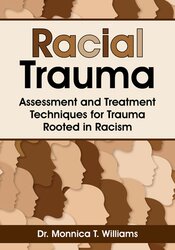
DVD
Racial Trauma: Assessment and Treatment Techniques for Trauma Rooted in Racism
- Average Rating:
- 6
- Faculty:
- Monnica Williams, PhD, ABPP
- Duration:
- 2 Hours 57 Minutes
- Copyright:
-
Aug 27, 2020
- Publisher:
- PESI Inc.
- Product Code:
- RNV056855
- Media Type:
- DVD - Also available: Digital Seminar

Description
The trauma of racism is real, and it leaves many clients with the classic symptoms of PTSD.
Join racial trauma expert Dr. Monnica Williams and change the way you work with racism and race-based experiences in therapy as she gives you the tools you need to help clients name, express, and heal from racial trauma!!
Whether you’ve never felt the traumatic wounds of racism, or have experienced racial trauma firsthand, this program will empower you to validate your clients’ pain and offer real clinical solutions.
This fiercely honest 3-hour training will provide you with:
- Direction on how you can be more comfortable talking about issues related to racism in therapy
- Guidance for clinicians of color who’ve experienced feelings of oppression and discrimination
- Interview protocols to identify deep seated wounds from daily assaults on dignity
- DSM-5 framework guidance for race-based stress and trauma
- Skills and interventions to properly address racial trauma in a clinical setting
Don’t let racial trauma go unidentified or risk clients failing to fully recover because you don’t have the clinical guidance you need!
Purchase today, get the skills and techniques to work with racial trauma, and be prepared to move clients toward a better tomorrow!
Credit
Faculty
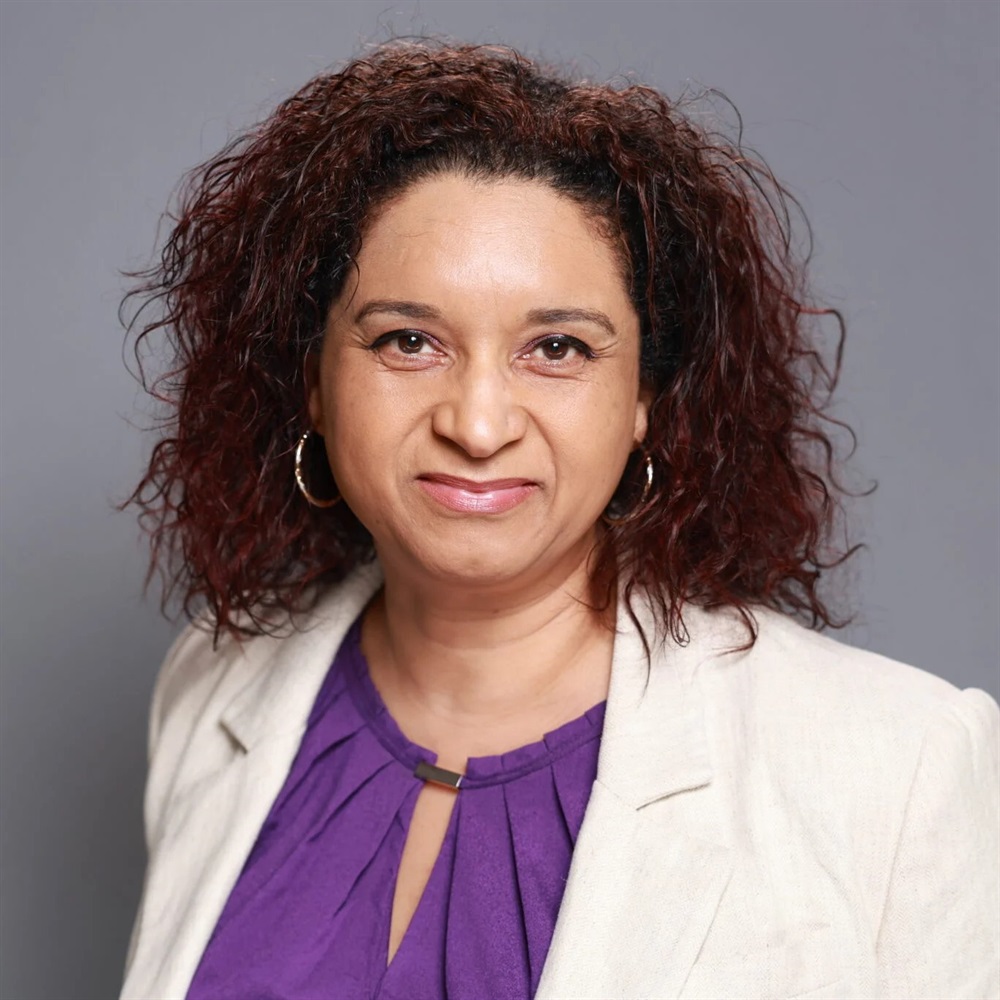
Monnica Williams, PhD, ABPP Related seminars and products
Dr. Monnica T. Williams is a board-certified licensed clinical psychologist and Associate Professor at the University of Ottawa, in the School of Psychology, where she is the Canada Research Chair in Mental Health Disparities. She is also the Clinical Director of the Behavioral Wellness Clinic in Connecticut, where she provides supervision and training to clinicians for empirically supported treatments. Prior to her move to Canada, Dr. Williams was on the faculty of the University of Pennsylvania Medical School (2007-2011), the University of Louisville in Psychological and Brain Sciences (2011-2016), where she served as the Director of the Center for Mental Health Disparities, and the University of Connecticut (2016-2019) where she had appointments in both Psychological Science and Psychiatry. Dr. Williams’ research focuses on BIPOC mental health, culture, and psychopathology, and she has published over 150 scientific articles on these topics. Current projects include the assessment of race-based trauma, barriers to treatment in OCD, improving cultural competence in the delivery of mental health care services, and interventions to reduce racism. This includes her work as a PI in a multisite study of MDMA-assisted psychotherapy for PTSD for people of color. She also gives diversity trainings nationally for clinical psychology programs, scientific conferences, and community organizations. She has served as the African American SIG leader for Association of Behavioral and Cognitive Therapies (ABCT), and currently is Chair of their Academic Training Education Standards (ATES). She serves as an Associate Editor of Behavior Therapy. She also serves on the editorial board of Cognitive Behaviour Therapy, Canadian Psychology, International Journal of Mental Health, Journal of Obsessive Compulsive and Related Disorders and the Cognitive Behavioral Therapist. She is a member of the Scientific Advisory Board of the International OCD Foundation and co-founded their Diversity Council. Her work has been featured in several major media outlets, including NPR, CBS, Huffington Post and the New York Times.
Speaker Disclosures:
Financial: Dr. Monnica Williams has employment relationships with Behavioral Wellness Clinic, Behavioral Wellness Clinic & New England OCD Institute, LLC, and the University of Ottawa. She receives royalties as a published author. Dr. Williams receives grant funding from Source Research Foundation. She receives a speaking honorarium, recording, and book royalties from Psychotherapy Networker and PESI, Inc. She has no relevant financial relationships with ineligible organizations.
Non-financial: Dr. Monnica Williams is a member of the Canadian Association for Behavioral & Cognitive Therapies, the Association for Psychological Science, and the Association for Contextual Behavioral Science. She serves on the board of directors of Psychedelic Medicines and Therapies and the Source Research Foundation. Dr. Williams serves on the editorial board of several academic journals, for a complete list contact PESI, Inc.
Additional Info
Access for Self-Study (Non-Interactive)Access never expires for this product.
For a more detailed outline that includes times or durations of time, if needed, please contact cepesi@pesi.com.
Objectives
- Assess the clinical implications of racial experiences leading to trauma symptomology.
- Evaluate how historical, cultural, and individual trauma may or may not fit into a DSM-5 framework.
- Employ interventions that address traumatic experiences with racism in trauma treatment sessions.
Outline
Racial Trauma Assessment:- Start the Conversation and Uncover the Trauma of Racism
- How to start the conversation
- Race-related traumas and DSM-5 criteria
- Validated measures for racial trauma
- Assessing related cultural constructs
- Clinical Interview Assessment tool
- UConn Racial/Ethnic Stress & Trauma Survey
Practical Interventions for Addressing Racial Trauma in Treatment
- Culturally-informed case conceptualizations
- How to validate experiences of oppression
- Identify your clients’ strengths and supports
- Strategies to build ethnic and racial pride
- Adapting validated PTSD treatments
- 5 techniques to help clients of color cope with stress
- Group treatment for race-based trauma
- Research and limitations
Become More Comfortable Working with Issues Related to Race
- Personal growth questions answered
- What can well-intentioned people do about racism
- How to become more comfortable talking about issues related to race
- Guidance for clinicians of color
- Homework exercises
Target Audience
- Counselors
- Social Workers
- Marriage and Family Therapists
- Psychiatrists
- Psychologists
- Physicians
- Psychotherapists
- Therapists
- Addiction Counselors
- Case Managers
- Nurses
Reviews
| 5 |
|
| 4 |
|
| 3 |
|
| 2 |
|
| 1 |
|
Overall: 5
Total Reviews: 6
Satisfaction Guarantee
Your satisfaction is our goal and our guarantee. Concerns should be addressed to: PO Box 1000, Eau Claire, WI 54702-1000 or call 1-800-844-8260.
ADA Needs
We would be happy to accommodate your ADA needs; please call our Customer Service Department for more information at 1-800-844-8260.
Please wait ...