Not Found
DVD

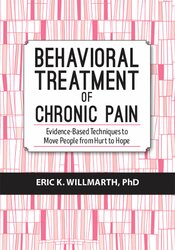
Behavioral Treatment of Chronic Pain

Evidence-Based Techniques to Move People from Hurt to Hope

Average Rating:
   1
Faculty:
Eric K. Willmarth, PhD
Duration:
6 Hours 13 Minutes
Copyright:
May 07, 2020
Publisher:
PESI Inc.
Product Code:
RNV053820
Media Type:
DVD - Also available: Digital Seminar


Description

We are in the midst of a nationwide push to treat chronic pain and address our out-of-control opioid prescribing. At least 1/3 of the people we treat are dealing with this condition, yet most of us are ill-prepared to address this with skill and expertise. The CDC recently published recommendations for the treatment of chronic pain, specifically highlighting behavioral treatment as an approach that should be tried before opioids are prescribed.

We are witnessing a devastating public health crisis that is ruining individual’s lives, tearing up families, and ripping through communities. We need to arm ourselves with the skills needed to offer our clients evidence-based behavioral interventions that will help them live healthy and productive lives.

Purchase this cutting-edge recording and learn creative tools and techniques to transform your practice. Learn powerful mindfulness interventions and motivational interviewing techniques to move your clients toward behavior change. Master the four pain-changing CBT tools. You will finish this recording with the skills and confidence to provide practical and life-changing help to help people move out of chronic pain and into active, healthy, and meaningful lives.

Credit


Handouts

Faculty

Eric K. Willmarth, PhD's Profile

Eric K. Willmarth, PhD Related seminars and products


Eric K. Willmarth, Ph.D., is the president of the Society for Psychological Hypnosis (APA Division 30) and a past-president of both the American Society of Clinical Hypnosis and the Society for Clinical and Experimental Hypnosis. He has used hypnosis in clinical practice for over 40 years, including over 30 years in a chronic pain management setting.

Dr. Willmarth is the chair of the department of applied psychophysiology department in the College of Integrative Medicine and Health Sciences, Saybrook University. He oversees the hypnosis certificate program at Saybrook, which involves basic, intermediate and advance hypnosis courses and he is a frequent presenter and Keynote speaker at national and international hypnosis conferences and workshops. He is the winner of the Distinguished Contributions to Professional Hypnosis Award from the American Psychological Association and the Ericka Fromm Excellence in Teaching Award from the Society for Clinical and Experimental Hypnosis.

In addition to his teaching, Eric has recorded hundreds of interviews with prominent hypnosis clinicians and researchers from around the world. Many of these video clips can be viewed at www.hypnosiscentral.com


Speaker Disclosures:
Financial: Eric Willmarth has employment relationships with Saybrook University and Michigan Behavioral Consultants. He is a training consultant with ProCare Systems, Inc. Eric Willmarth receives a speaking honorarium and recording royalties from PESI, Inc. He has no relevant financial relationships with ineligible organizations.
Non-financial: Eric Willmarth is a fellow of the American Academy of Pain Management and the Society for Clinical and Experimental Hypnosis. He is on the council of representatives for the American Psychological Association and a member of the Michigan Psychological Association, the AAPB Counsel of Chapters, and the International Society of Hypnosis.


Additional Info

Access for Self-Study (Non-Interactive)

Access never expires for this product.


Objectives

  1. Describe how the emotional aspect of client’s pain can be more problematic than the physical aspect.
  2. Specify the differences in risks of opioid medications use in men, women and the elderly and the related treatment implications.
  3. Assess the psychological, physical, social, and behavioral factors that contribute to chronic pain and articulate their treatment implications.
  4. Implement motivational interviewing techniques to motivate clients toward behavioral change that reduce the symptoms of chronic pain.
  5. Summarize the CDC recommendations for the treatment of chronic pain and communicate how that impacts clinical treatment.
  6. Utilize mindfulness-based strategies to decrease symptoms of chronic pain in clients.

Outline

Pain
  • Acute vs. chronic pain
  • Emotional aspect of pain
    • More problematic than physical aspect
    • Anxiety, fear, catastrophizing
  • ACE (Adverse Childhood Experiences)
    • Study and link to pain
  • Chronic pain onset: Physical & emotional
  • Pain vs. suffering
  • Impact of pain
    • Prevalence
    • Societal costs
  • Chronic pain cycle
    • Psychological
    • Physical
  • Factors that impact pain
    • Physical, thought, emotions, behaviors
    • Social interactions
  • Suicidality and chronic pain
Opioids
  • Scope of the problem
  • The “painkiller” myth
    • Not effective pain relief
  • Medication assisted treatment
    • Methadone
    • Buprenorphine (Suboxone)
    • Naltrexone injection (Vivitrol)
  • Risks
    • Men, women, elderly
Assessment
  • Pain experience factors
    • Psychological
    • Behavioral
    • Social
    • Physical
  • 5 E’s of pain interview
  • Self-report measures
  • Impact of pain
Treatment
  • Treatment options
    • Medication
    • Invasive
    • Non-invasive
  • CDC guidelines
    • Behavioral treatment first
    • Importance of therapeutic relationship
  • Mindfulness
    • Powerful evidence-based interventions
  • Motivational interviewing
    • Proven techniques to move toward behavior change
  • Goal-setting
    • SMART goals
    • Matching goals with client values
  • CBT tools
    • Automatic negative thoughts
    • Thought distortions
    • ABC worksheet
    • Decatastrophizing
  • Additional behavioral treatment tools
    • Breathing
    • Imagery
    • Pleasant activities
    • Progressive muscle relaxation
    • Anger management
    • Time-based pacing
    • Stress management
    • Sleep hygiene
Research limitations and risks of psychotherapeutic approaches

Target Audience

  • Social Workers
  • Psychologists
  • Counselors
  • Addiction Counselors
  • Occupational Therapists
  • Psychotherapists
  • Marriage and Family Therapists
  • Case Managers
  • Physical Therapists
  • Physical Therapist Assistants
  • Nurses
  • Nurse Practitioners
  • Other Helping Professionals

Reviews

5
4
3
2
1

Overall:      5

Total Reviews: 1

Comments

NONI E - BRIELLE, New Jersey

"It is difficult to evaluate a recorded course. "

Satisfaction Guarantee
Your satisfaction is our goal and our guarantee. Concerns should be addressed to: PO Box 1000, Eau Claire, WI 54702-1000 or call 1-800-844-8260.

ADA Needs
We would be happy to accommodate your ADA needs; please call our Customer Service Department for more information at 1-800-844-8260.

Please wait ...

Back to Top