

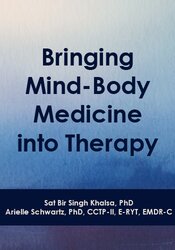
Digital Seminar
Bringing Mind-Body Medicine into Therapy
Translating Science into Trauma-Informed Practice
- Average Rating:
- 112
- Faculty:
- Sat Bir Singh Khalsa, PhD | Arielle Schwartz, PhD, CCTP-II, E-RYT, EMDR-C
- Duration:
- 1 Hour
- Format:
- Audio and Video
- Copyright:
-
Sep 09, 2026
- Product Code:
- NOS096780
- Media Type:
- Digital Seminar

Description
Building on Sat Bir Singh Khalsa’s research, in this session, you’ll move beyond understanding the science into confidently applying mind-body practices in your clinical work. Through guided experiential exercises, you’ll feel firsthand how yoga-informed, somatic approaches support regulation, resilience, and integration—and learn how to translate those experiences into clear, client-centered interventions you can use right away.
This workshop focuses on the “how” you’ve been looking for: how you introduce practices, how you track nervous system responses as they unfold, and how you adapt interventions to meet each client’s readiness and needs. You’ll leave with practical tools and language that fit seamlessly into your sessions, helping you work more effectively and confidently within your scope.
You’ll walk away able to:
- Apply trauma-informed, yoga-based and somatic practices directly in your clinical sessions
- Track and respond to your clients’ nervous system cues in real time
- Use clear, invitational language that supports safety, choice, and agency
- Match mind-body interventions to your clients’ readiness, goals, and context
- Integrate brief, effective practices into your sessions without disrupting flow
Credit
Faculty
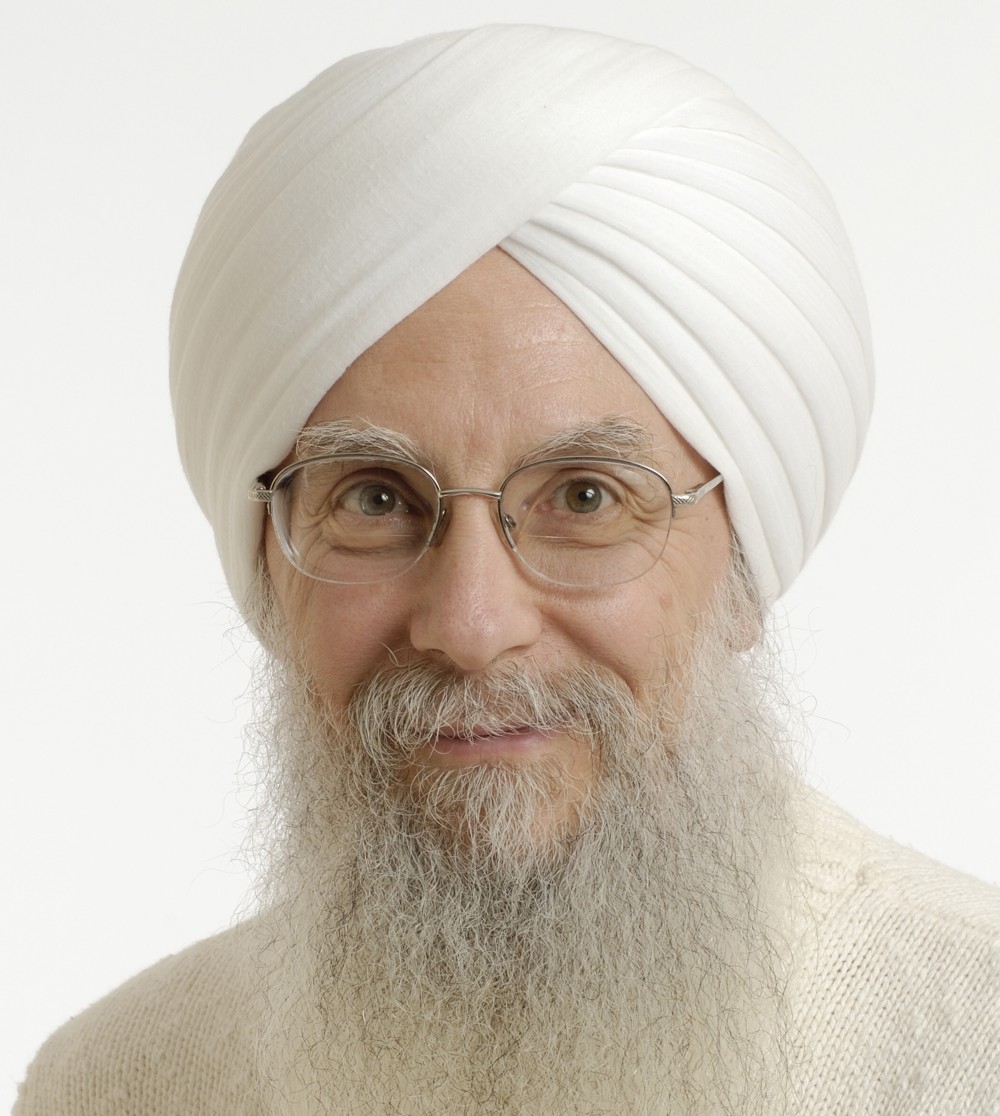
Sat Bir Singh Khalsa, PhD Related seminars and products
Sat Bir Singh Khalsa, PhD, is a corresponding member of the faculty of medicine at Harvard Medical School retiring as associate professor of medicine. He is also director of research for the Kundalini Research Institute, Research Associate at the Benson Henry Institute for Mind Body Medicine, and Research Affiliate at the Osher Center for Integrative Medicine. He has conducted research on yoga since 2001 and is a certified teacher of Kundalini Yoga. His research has evaluated yoga for insomnia, stress, trauma, and anxiety, and in workplace and public school settings. He works with the International Association of Yoga Therapists as editor-in-chief of the International Journal of Yoga Therapy and as chair of the scientific program committee for its annual conference. He is medical editor of the Harvard Medical School Special Report Introduction to Yoga, and chief editor of the medical textbook The Principles and Practice of Yoga in Health Care.
Speaker Disclosures:
Financial: Sat Bir Singh Khalsa has employment relationships with Harvard Medical School and Massachusetts General Hospital. He serves on the advisory board of the Give Back Yoga Foundation. He also receives a speaking honorarium from International Association of Yoga Therapists and PESI, Inc. He has no relevant financial relationships with ineligible organizations.
Non-financial: Sat Bir Singh Khalsa sits on the scientific program committe4e for IAYT and Kundalini Research Institute. He is a member of the International Association of Yoga, the Academic Consortium for Integrative Medicine and Health. He is an ad hoc reviewer for several peer review journals, for a complete list contact PESI, Inc.

Arielle Schwartz, PhD, CCTP-II, E-RYT, EMDR-C Related seminars and products
Arielle Schwartz, PhD, CCTP-II, E-RYT, EMDR-C, is a licensed clinical psychologist, certified complex trauma professional, EMDR Consultant, and Kripalu yoga teacher. She is an internationally sought-out speaker, leading voice in the field of trauma recovery, and the author of eight books including The Complex PTSD Workbook, EMDR Therapy and Somatic Psychology, The Post-Traumatic Growth Guidebook, and Applied Polyvagal Theory in Yoga.
As the founder of the Center for Resilience Informed Therapy, her work is rooted in the positive psychology movement, which is focused on enhancing resources and fostering growth. She offers an integrative, mind-body approach to therapy that includes relational therapy, somatic psychology, EMDR therapy, parts work therapy, and therapeutic yoga for trauma. Praised by Dr. Stephen Porges, Arielle specializes in applying his polyvagal theory, which focuses on addressing imbalances within the autonomic nervous system that underlie most mental and physical health conditions. Her work can be found at the Shift Network, Sounds True, Psychotherapy Networker, Embody Lab, Art of Living, Omega Institute, and more.
Speaker Disclosures:
Financial: Dr. Arielle Schwartz maintains a private practice, has an employment relationship with Integrative Psychiatry Institute and receives compensation as a yoga instructor. She receives royalties as a published author and receives compensation as an international presenter and a yoga instructor. Dr. Schwartz is a paid consultant for Evergreen Certifications. She receives speaking honorarium, recording, and book royalties from PESI, Inc. She has no relevant financial relationships with ineligible organizations.
Non-financial: Dr. Arielle Schwartz is a member of the American Psychological Association and the Yoga Alliance.
Additional Info
Access for Self-Study (Non-Interactive)Access never expires for this product.
For a more detailed outline that includes times or durations of time, if needed, please contact cepesi@pesi.com.
Questions?
Visit our FAQ page at www.pesi.com/faq or contact us at www.pesi.com/info
Objectives
- Recognize the role of mind-body practices in supporting nervous system regulation for clients with trauma.
- Apply trauma-informed, mind-body techniques in clinical sessions based on client presentation and readiness.
- Integrate brief, yoga-based and somatic practices into psychotherapy using language and pacing that support safety and therapeutic engagement.
Outline
Framing the Shift: From Science to Clinical Application
- Brief overview of mind-body medicine in trauma care
- Translating research into practical therapeutic use
- Risks, limitations, and scope of practice in somatic and yoga-based interventions
Clinical Decision-Making in Real Time
- Recognizing nervous system responses in session
- What to track moment-to-moment
- Matching interventions to:
- Client readiness
- Therapeutic goals
- Window of tolerance
Applying Mind-Body Practices in Session
- Core intervention types:
- Introducing practices in a trauma-informed way
- Keeping interventions:
- Brief
- Flexible
- Client-centered
Language, Pacing, and Therapeutic Delivery
- Using invitational, choice-based language
- Supporting agency and autonomy
- Adjusting pacing to prevent overwhelm or shutdown
- Responding to client feedback and real-time shifts
Adapting Interventions to Client Needs
- Modifying practices for:
- Dysregulation (hyper/hypoarousal)
- Resistance or discomfort
- Different therapeutic contexts (individual vs. group)
- Avoiding common clinical missteps
Integrating Practices into Ongoing Therapy
- Incorporating brief practices without disrupting session flow
- Bridging somatic experience with reflection and insight
- Supporting generalization outside the therapy session
Experiential Practice & Clinical Translation
- Guided, brief mind-body exercise
- Reflection on clinical application
- Translating experience into repeatable clinical tools
Summary & Clinical Takeaways
- Key principles of effective integration:
- Flexibility
- Responsiveness
- Safety and relationship
- Practical strategies for immediate use in sessions
Target Audience
- Counselors
- Social Workers
- Psychologists
- Physicians
- Case Managers
- Marriage and Family Therapists
- Other Mental Health Professionals



Reviews
| 5 |
|
| 4 |
|
| 3 |
|
| 2 |
|
| 1 |
|
Overall: 4.9
Total Reviews: 112
Satisfaction Guarantee
Your satisfaction is our goal and our guarantee. Concerns should be addressed to: PO Box 1000, Eau Claire, WI 54702-1000 or call 1-800-844-8260.
ADA Needs
We would be happy to accommodate your ADA needs; please call our Customer Service Department for more information at 1-800-844-8260.
Please wait ...