

Digital Seminar
Integrating Yoga-Based Practices into Trauma Therapy
Skills for Regulation, Readiness, and Resilience
- Average Rating:
- 106
- Faculty:
- Lisa Danylchuk, LMFT, E-RYT | Arielle Schwartz, PhD, CCTP-II, E-RYT, EMDR-C
- Duration:
- 1 Hour 05 Minutes
- Format:
- Audio and Video
- Copyright:
-
Sep 10, 2026
- Product Code:
- NOS096785
- Media Type:
- Digital Seminar

Description
Designed for immediate clinical application, this session emphasizes how to tailor interventions to the moment—refining your ability to track responses, adjust pacing, and offer practices in ways that enhance safety, flexibility, and therapeutic connection. You’ll leave with a more embodied understanding of the tools you use, along with practical strategies to integrate them seamlessly into your sessions.
You’ll walk away with the skills to:
- Sequence and layer yoga-based practices to support regulation, integration, and therapeutic goals
- Modify practices in real time to address common clinical challenges such as hypoarousal, overwhelm, or dissociation
- Bridge body-based experiences with clinical processing to deepen insight and integration without losing regulation
- Build client capacity for self-awareness and self-regulation through repeatable, skill-based practices
Credit
Faculty
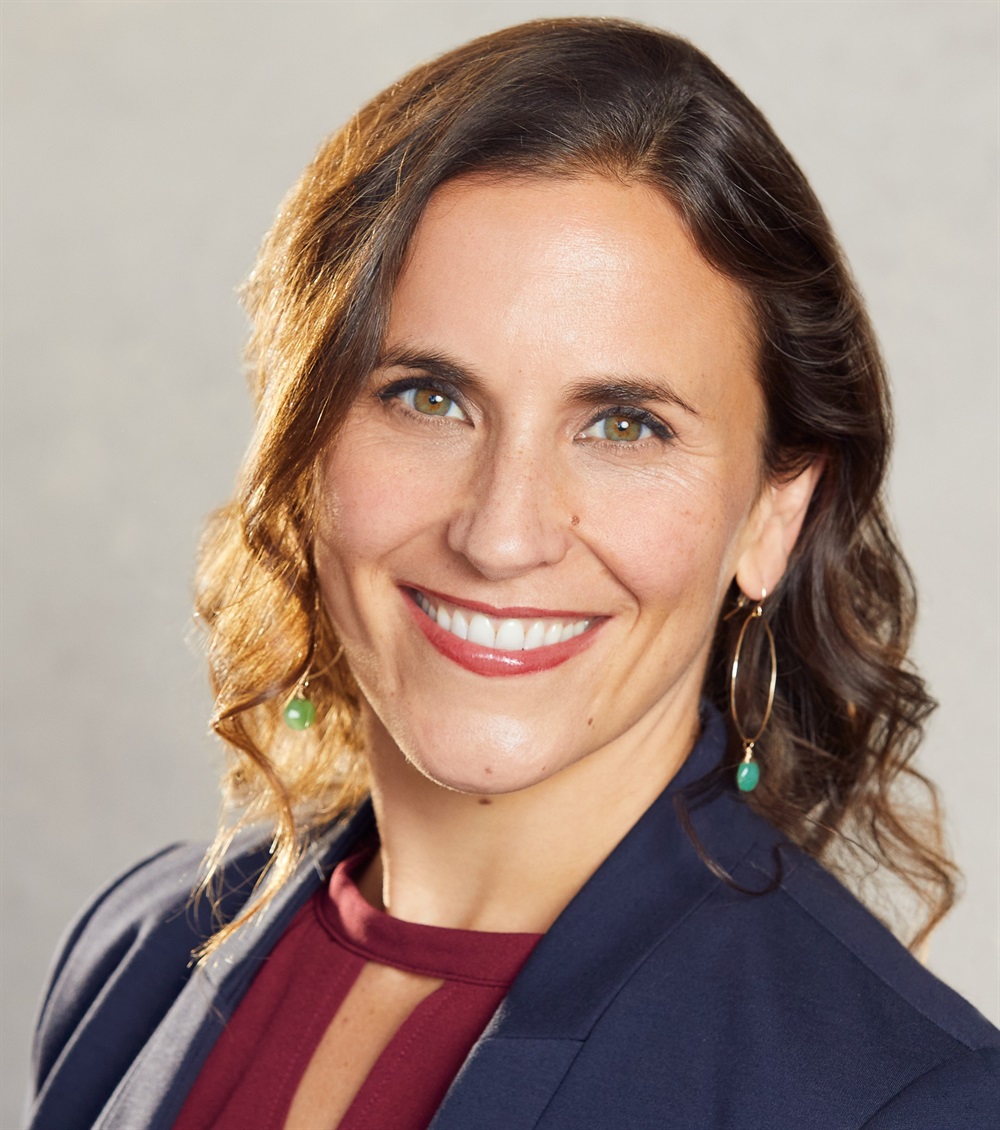
Lisa Danylchuk, LMFT, E-RYT Related seminars and products
Lisa Danylchuk, LMFT, E-RYT is an author, licensed psychotherapist, and yoga teacher trainer specializing in bringing yoga into trauma treatment. A graduate of UCLA and Harvard University, Lisa is the founder of the Center for Yoga and Trauma Recovery in Oakland, CA, and creator the Yoga for Trauma (Y4T) Online Training Program. She has authored three books: Yoga for Trauma Recovery: Theory, Philosophy, and Practice (2019), Embodied Healing: Using Yoga to Recover from Trauma and Extreme Stress (2015), and How You Can Heal: A Strength Based Guide to Trauma Recovery (2017), and is a contributing editor for Best Practices for Yoga for Veterans, published by the Yoga Service Council. She also serves on the Board of Directors and the UN Task Force for the International Society for the Study of Trauma and Dissociation, and was recently elected to serve as Secretary for the organization. A leader in the movement to incorporate yoga into trauma treatment, she has trained yoga and mental health professionals around the world, and presents her work internationally.
Speaker Disclosures:
Financial: Lisa Danylchuk is the founder of The Center for Yoga and Trauma, maintains a private practice, and receives royalties as a published author. She receives a speaking honorarium from PESI, Inc. She has no relevant financial relationships with ineligible organizations.
Non-financial: Lisa Danylchuk is a member of the American Psychological Association, the California Association of Marriage Family Therapists, and the International Association of Yoga Therapists.

Arielle Schwartz, PhD, CCTP-II, E-RYT, EMDR-C Related seminars and products
Arielle Schwartz, PhD, CCTP-II, E-RYT, EMDR-C, is a licensed clinical psychologist, certified complex trauma professional, EMDR Consultant, and Kripalu yoga teacher. She is an internationally sought-out speaker, leading voice in the field of trauma recovery, and the author of eight books including The Complex PTSD Workbook, EMDR Therapy and Somatic Psychology, The Post-Traumatic Growth Guidebook, and Applied Polyvagal Theory in Yoga.
As the founder of the Center for Resilience Informed Therapy, her work is rooted in the positive psychology movement, which is focused on enhancing resources and fostering growth. She offers an integrative, mind-body approach to therapy that includes relational therapy, somatic psychology, EMDR therapy, parts work therapy, and therapeutic yoga for trauma. Praised by Dr. Stephen Porges, Arielle specializes in applying his polyvagal theory, which focuses on addressing imbalances within the autonomic nervous system that underlie most mental and physical health conditions. Her work can be found at the Shift Network, Sounds True, Psychotherapy Networker, Embody Lab, Art of Living, Omega Institute, and more.
Speaker Disclosures:
Financial: Dr. Arielle Schwartz maintains a private practice, has an employment relationship with Integrative Psychiatry Institute and receives compensation as a yoga instructor. She receives royalties as a published author and receives compensation as an international presenter and a yoga instructor. Dr. Schwartz is a paid consultant for Evergreen Certifications. She receives speaking honorarium, recording, and book royalties from PESI, Inc. She has no relevant financial relationships with ineligible organizations.
Non-financial: Dr. Arielle Schwartz is a member of the American Psychological Association and the Yoga Alliance.
Additional Info
Access for Self-Study (Non-Interactive)Access never expires for this product.
For a more detailed outline that includes times or durations of time, if needed, please contact cepesi@pesi.com.
Questions?
Visit our FAQ page at www.pesi.com/faq or contact us at www.pesi.com/info
Objectives
- Describe how autonomic nervous system states inform clinical decision-making in trauma treatment
- Apply yoga-based techniques, including breathwork and movement, to support nervous system regulation in response to client presentation
- Integrate trauma-informed, somatic interventions into clinical practice to support regulation, readiness, and therapeutic processing
Outline
I. Framing the Clinical Orientation
- Risks, limitations, and scope of yoga-based practices in trauma treatment
- Moving from technique-based interventions to moment-to-moment clinical decision-making
- Core clinical lens: regulation, readiness, and co-regulation
II. Rapid State Assessment & Clinical Tracking
- Identifying nervous system states in session:
- Hyperarousal
- Hypoarousal
- Dissociation
- Key indicators to track:
- Breath, posture, movement
- Affect, pacing, engagement
- Guiding clinical question: matching intervention to client state
III. Applying & Adapting Practices in Real Time
- Using breathwork, movement, and somatic awareness as flexible interventions
- Matching practices to clinical presentation:
- Down-regulation
- Up-regulation
- Stabilization
- Real-time modifications:
- Adjusting pace, intensity, and focus
- Shifting internal vs. external awareness
- Responding to common challenges:
- Overwhelm or activation
- Shutdown or disengagement
- Breath-related triggers
IV. Sequencing for Safety & Therapeutic Engagement
- Structuring brief, effective practice sequences:
- Orienting → regulating → integrating
- Applying titration and pacing within session
- Avoiding common sequencing errors
- Aligning interventions with client readiness and treatment goals
V. Bridging Body-Based Experience with Clinical Processing
- Determining when to remain in somatic experience vs. shift to processing
- Preventing dysregulation during insight-oriented work
- Integration strategies:
- Linking sensation, emotion, and meaning
- Supporting dual awareness
- Maintaining regulation throughout cognitive integration
VI. Experiential Practice & Clinical Application
- Guided, layered practice (breath + movement + awareness)
- Demonstration of real-time modification strategies
- Reflection on clinical application:
- Observing shifts
- Translating experience to client work
VII. Summary & Clinical Takeaways
- Core principles:
- Flexibility over protocol
- Responsiveness over rigid technique
- Regulation as foundation for therapeutic work
- Practical interventions for immediate clinical use
- Integration into ongoing clinical practice
Target Audience
- Counselors
- Social Workers
- Psychologists
- Physicians
- Case Managers
- Marriage and Family Therapists
- Other Mental Health Professionals



Reviews
| 5 |
|
| 4 |
|
| 3 |
|
| 2 |
|
| 1 |
|
Overall: 4.9
Total Reviews: 106
Satisfaction Guarantee
Your satisfaction is our goal and our guarantee. Concerns should be addressed to: PO Box 1000, Eau Claire, WI 54702-1000 or call 1-800-844-8260.
ADA Needs
We would be happy to accommodate your ADA needs; please call our Customer Service Department for more information at 1-800-844-8260.
Please wait ...