

Digital Seminar
Mind-Body Medicine for Trauma Treatment
The Neuroscience and Psychophysiology, Clinical Rationale, and Research Evidence for Yoga-Based Interventions
- Average Rating:
- 113
- Faculty:
- Sat Bir Singh Khalsa, PhD
- Duration:
- 1 Hour 04 Minutes
- Format:
- Audio and Video
- Copyright:
-
Sep 09, 2026
- Product Code:
- NOS096779
- Media Type:
- Digital Seminar

Description
Join internationally recognized researcher and Harvard educator Sat Bir Singh Khalsa to explore scientific and clinical wisdom for applying yoga as a trauma therapy. Since trauma is not just a mental disorder but also a mind-body disorder, you’ll explore how yoga‑based and other somatic mind‑body therapies can offer effective, practical tools for supporting clients.
You’ll walk away with the skills to:
- Support trauma clients through a holistic, mind-body lens
- Explain the evidence base for the efficacy of yoga to your clients
- Match mind-body interventions to the specific needs and readiness of your client
Credit
Faculty
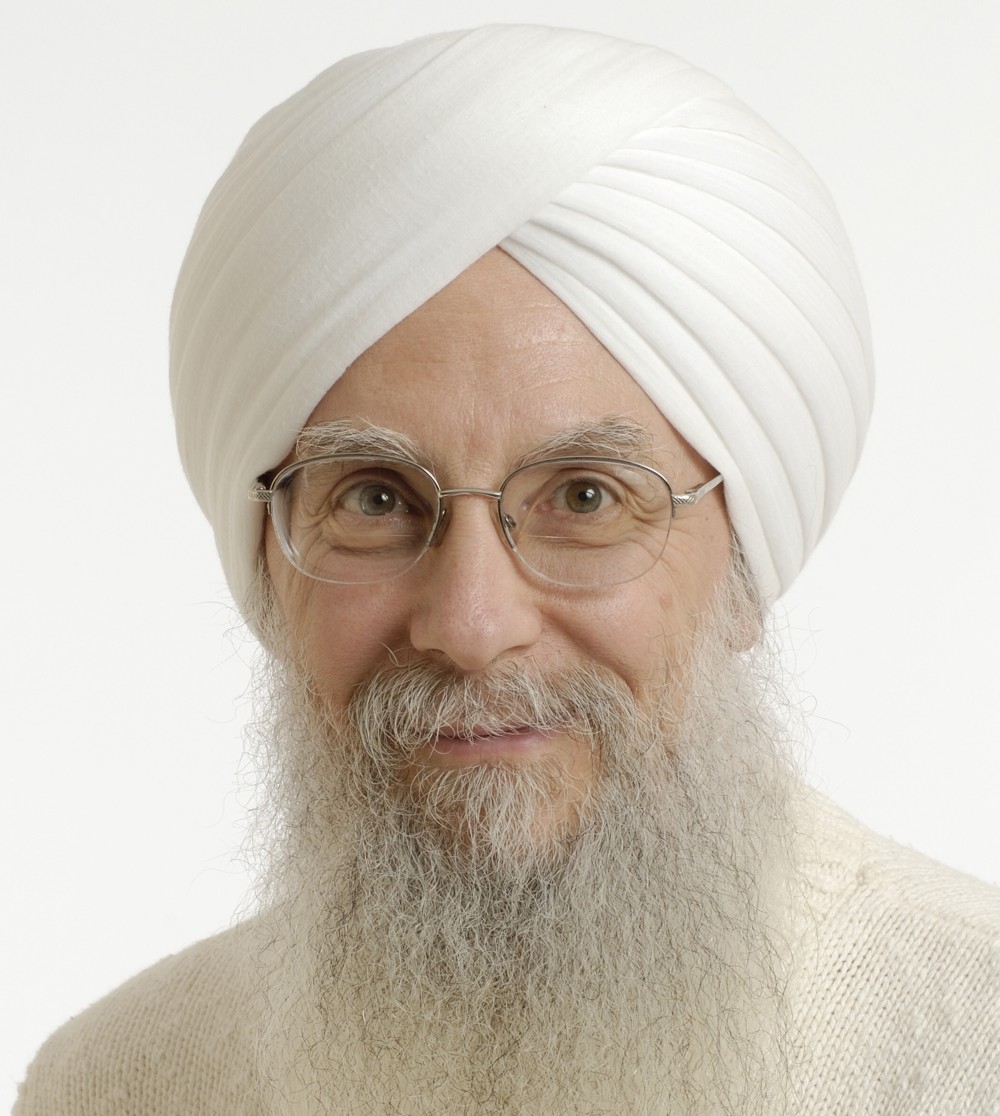
Sat Bir Singh Khalsa, PhD Related seminars and products
Sat Bir Singh Khalsa, PhD, is a corresponding member of the faculty of medicine at Harvard Medical School retiring as associate professor of medicine. He is also director of research for the Kundalini Research Institute, Research Associate at the Benson Henry Institute for Mind Body Medicine, and Research Affiliate at the Osher Center for Integrative Medicine. He has conducted research on yoga since 2001 and is a certified teacher of Kundalini Yoga. His research has evaluated yoga for insomnia, stress, trauma, and anxiety, and in workplace and public school settings. He works with the International Association of Yoga Therapists as editor-in-chief of the International Journal of Yoga Therapy and as chair of the scientific program committee for its annual conference. He is medical editor of the Harvard Medical School Special Report Introduction to Yoga, and chief editor of the medical textbook The Principles and Practice of Yoga in Health Care.
Speaker Disclosures:
Financial: Sat Bir Singh Khalsa has employment relationships with Harvard Medical School and Massachusetts General Hospital. He serves on the advisory board of the Give Back Yoga Foundation. He also receives a speaking honorarium from International Association of Yoga Therapists and PESI, Inc. He has no relevant financial relationships with ineligible organizations.
Non-financial: Sat Bir Singh Khalsa sits on the scientific program committe4e for IAYT and Kundalini Research Institute. He is a member of the International Association of Yoga, the Academic Consortium for Integrative Medicine and Health. He is an ad hoc reviewer for several peer review journals, for a complete list contact PESI, Inc.
Additional Info
Access for Self-Study (Non-Interactive)Access never expires for this product.
For a more detailed outline that includes times or durations of time, if needed, please contact cepesi@pesi.com.
Questions?
Visit our FAQ page at www.pesi.com/faq or contact us at www.pesi.com/info
Objectives
- Examine the underlying pathophysiology of psychological trauma including the physical symptoms encountered in trauma.
- Identify potential physiological and psychological mechanisms underlying trauma-focused mind-body therapies.
- Summarize the current clinical research evidence supporting yoga‑based interventions for trauma and PTSD.
Outline
I. Introduction & Clinical Relevance
- Overview of persistent challenges in trauma treatment
- Why talk therapy or medication alone are limited in efficacy
- Rationale for incorporating mind‑body approaches into trauma care
II. Trauma as a Mind‑Body Condition
- Trauma‑related physiological dysregulation
- Role of the autonomic nervous system in maintaining symptoms
- How embodied stress responses can limit cognitive or verbal therapeutic access
- Clinical implications for assessment and treatment planning
III. Scientific Rationale for Mind‑Body Therapies
- Effects of yoga and somatic practices on:
- stress regulation
- emotional regulation
- mind-body awareness/mindfulness
- physical fitness and competence
- life meaning and purpose
IV. Research Evidence for Trauma‑Focused Mind‑Body Interventions
- Overview of clinical trial findings on yoga‑based interventions for:
- PTSD severity
- Chronic stress and resilience
- mindfulness
- mood disturbance
- sleep disruption
- Comparison with conventional treatment outcomes
- Clinical implications:
- identifying appropriate indications
- use as adjunctive versus alternative approaches
V. Risks, Limitations & Ethical Considerations
- Clinical limitations of mind‑body therapies, including variability in client acceptance
- Potential for symptom activation without appropriate intervention delivery
- Scope and boundaries of the current research base
- Positioning mind‑body therapies within an integrated—not exclusive—treatment model
Target Audience
- Counselors
- Social Workers
- Psychologists
- Physicians
- Case Managers
- Marriage and Family Therapists
- Other Mental Health Professionals
- Physicians



Reviews
| 5 |
|
| 4 |
|
| 3 |
|
| 2 |
|
| 1 |
|
Overall: 4.8
Total Reviews: 113
Satisfaction Guarantee
Your satisfaction is our goal and our guarantee. Concerns should be addressed to: PO Box 1000, Eau Claire, WI 54702-1000 or call 1-800-844-8260.
ADA Needs
We would be happy to accommodate your ADA needs; please call our Customer Service Department for more information at 1-800-844-8260.
Please wait ...