

Digital Seminar
Mixed Neurotype Couples
A Neurodiversity-Affirming Guide for Therapists
- Average Rating:
- 275
- Faculty:
- Kory Andreas, LCSW-C
- Duration:
- 1 Hour 11 Minutes
- Format:
- Audio and Video
- Copyright:
-
Jun 16, 2026
- Product Code:
- NOS096759
- Media Type:
- Digital Seminar

Description
Some of the most exhausted, hopeless, and misunderstood couples in our practices are mixed-neurotype couples. Most clinicians were never trained to identify them or treat them effectively. This session offers couples therapists a neurodiversity-affirming reframe for recognizing these patterns, along with practical tools they can bring into sessions right away.
Credit
Faculty
Kory Andreas, LCSW-C Related seminars and products
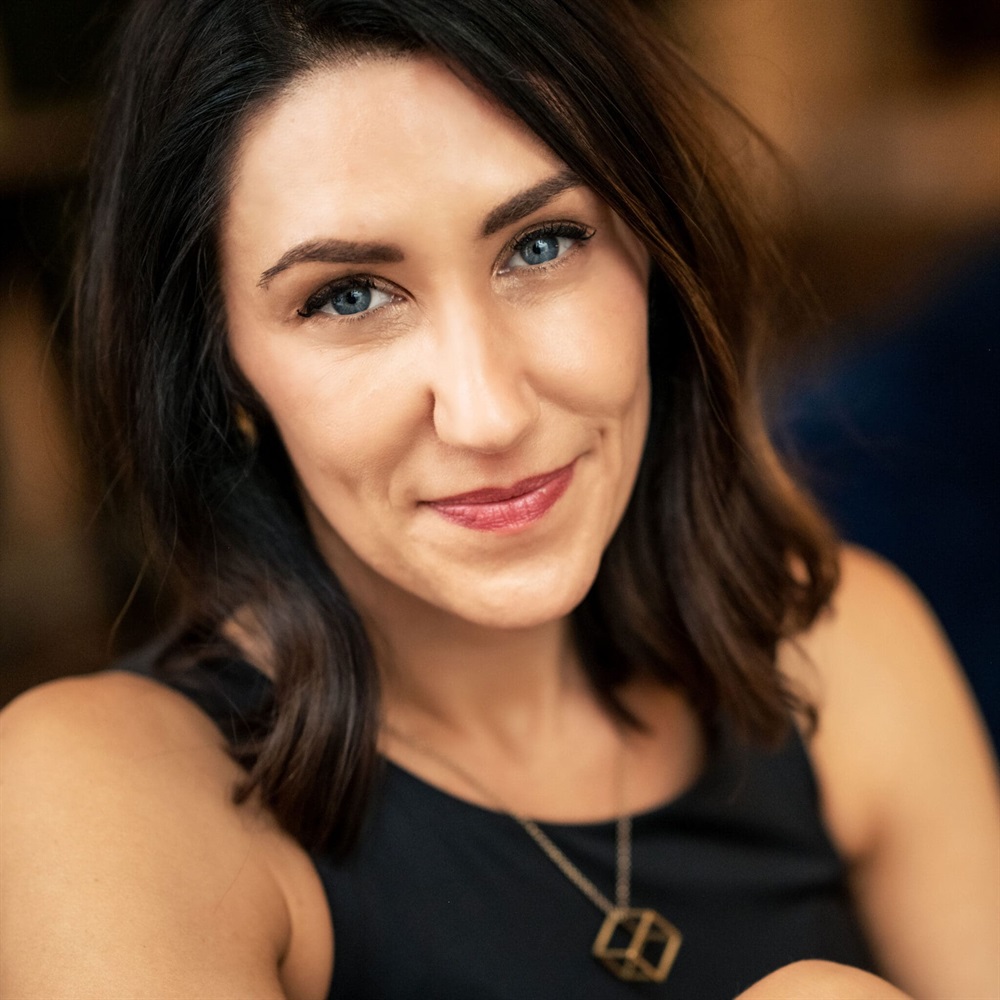
Kory Andreas, LCSW-C is a clinical social worker and Autism specialist with a deep passion for understanding and supporting neurodivergent individuals. As an "identity-based practitioner", her late-diagnosed neurodivergence is a cornerstone of both her therapy practice and her role as a neurodiversity educator. Kory works in private practice to provide Autism assessments and therapeutic services to neurodivergent individuals and couples. Renowned for her humorous and insightful approach, Kory is a sought-after speaker, delivering neurodiversity awareness and affirming strategies to mental health practitioners, treatment facilities, and the corporate world.
Speaker Disclosures:
Financial: Kory Andreas maintains a private practice. She receives a speaking honorarium and recording royalties from Psychotherapy Networker and PESI, Inc. She has no relevant financial relationships with ineligible organizations.
Non-financial: Kory Andreas has no relevant non-financial relationships.
Additional Info
Access for Self-Study (Non-Interactive)Access never expires for this product.
Questions?
Visit our FAQ page at www.pesi.com/faq or contact us at www.pesi.com/info
Additional CE Info
For a more detailed outline that includes times or durations of time, if needed, please contact cepesi@pesi.com.
Objectives
- Identify at least three indicators of mixed neurotype to improve case conceptualization.
- Apply neurodiversity affirming assessment strategies to enhance therapeutic safety and accuracy.
- Implement interventions (e.g., structured communication frameworks, accommodation planning, special interest–based bonding) to strengthen intimacy and repair.
Outline
Foundations
- Understanding autism and ADHD as neurotypes, not disorders
- High masking and late diagnosis in adult relationships
- Why mixed-neurotype couples often arrive burned out and misunderstood
- Risks and limitations of traditional couples therapy approaches
Neurodiverse Relationship Dynamics
- Differences in communication, processing, and emotional reciprocity
- Common patterns of misunderstanding and sensory mismatch
- The role of identity, diagnosis, and disclosure within the relationship
- Framing neurodiversity as difference, not dysfunction
Why Neurotype Awareness Is Critical to Therapeutic Success
- Most mixed-neurotype couples have struggled in therapy before
- Late diagnosis is common, especially among women, BIPOC individuals, and LGBTQ+ people
- High masking: appearing neurotypical comes at an enormous personal cost
- How misattribution drives relational pain: assuming a partner is mean, avoidant, or simply doesn’t care
- Risks of missing neurodivergence: pathologizing neurological differences, misapplying techniques, and deepening shame
Common Presentations in Couples Therapy
- Hyperverbal over-explaining and shutdowns: how conflict looks in mixed-neurotype pairs
- Asymmetry in emotional expression and how it’s misread
- Predictability vs. control: reframing a common source of conflict
- Sensory sensitivity and its impact on connection and physical intimacy
- Special interests as an underutilized resource for connection
Masking and Its Relational Cost
- What masking is: suppressing autistic traits to appear neurotypical
- Who am I? Finding authenticity after a lifetime of performing
- Uncovering masking patterns beyond the partnership: why intimate relationships are often where the mask finally slips
- Why partners often feel deceived after marriage or cohabitation, and how to address it therapeutically
- Autistic burnout: when it looks like sudden personality change, withdrawal, or loss of intimacy
Intimacy, Gender, and Sexuality in Mixed-Neurotype Couples
- Understanding neurodivergent expressions of intimacy and desire
- The influence of gender identity and social conditioning on connection
- The diversity of neurodivergent relationship structures: ENM, long-distance, and non-cohabitating partnerships as deliberate and often healthy choices, not compromises
- Expanding the therapeutic frame: helping couples stop apologizing for relationships that don’t look traditional and start building ones that actually work for their neurotypes
Target Audience
- Psychologists
- Physicians
- Addiction Counselors
- Counselors
- Social Workers
- Marriage & Family Therapists
- Psychotherapists
- Other Behavioral Health Professionals
Reviews
| 5 |
|
| 4 |
|
| 3 |
|
| 2 |
|
| 1 |
|
Overall: 4.9
Total Reviews: 275
Satisfaction Guarantee
Your satisfaction is our goal and our guarantee. Concerns should be addressed to: PO Box 1000, Eau Claire, WI 54702-1000 or call 1-800-844-8260.
ADA Needs
We would be happy to accommodate your ADA needs; please call our Customer Service Department for more information at 1-800-844-8260.
Please wait ...