


Digital Seminar
Interpersonal Neurobiology in Action
The Science of Connection & Healing
- Average Rating:
- 689
- Faculty:
- Daniel Siegel, MD | Sally Maslansky
- Duration:
- 2 Hours
- Format:
- Audio and Video
- Copyright:
-
Mar 20, 2026
- Product Code:
- NOS096666
- Media Type:
- Digital Seminar

Description
How can you bring a transformative combination of hope, healing, and personal reinvention to your therapy practice? These are cornerstones of the revolutionary, multidisciplinary approach known as interpersonal neurobiology (IPNB), and in this workshop, you’ll learn how to bring these qualities to your own work, guided by psychotherapist and author Sally Maslansky and her former therapist, IPNB developer Dan Siegel. Through moving stories of survival and recovery, they’ll share the different sides of a therapeutic journey from a diagnosis of dissociative identity disorder to healing and a fuller sense of self. They'll explore how dynamic IPNB approaches can treat trauma and dissociated self-states not from the perspective of symptom management, but from a place of flexibility and hope.
You’ll learn:
- How to assess and treat disorganized attachment
- How to work with implicit memory and facilitate neuroplasticity
- How healing manifests as “integration” and how to spot it
- Techniques to support clients in their independent, lifelong practice of healing
Credit
Faculty
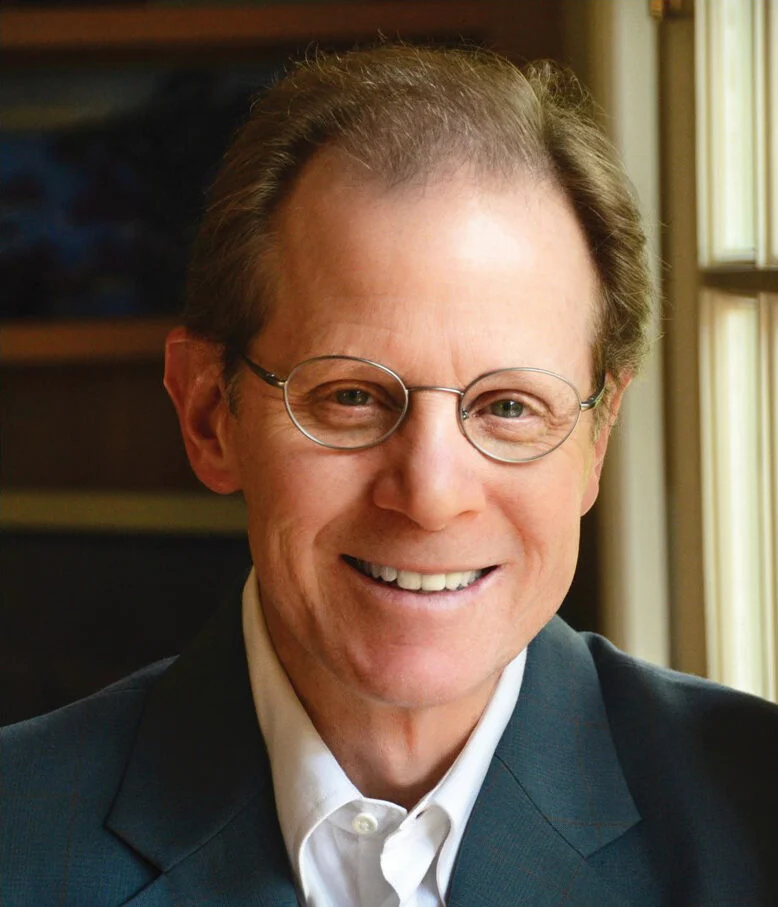
Daniel Siegel, MD Related seminars and products
Mindsight Institute
Dr. Dan Siegel is the founder and director of education of the Mindsight Institute and founding co-director of the Mindful Awareness Research Center at UCLA, where he was also co-principal investigator of the Center for Culture, Brain and Development and clinical professor of psychiatry at The School of Medicine.
An award-winning educator, Dan is the author of five New York Times bestsellers and over fifteen other books which have been translated into over forty languages. As the founding editor of the Norton Professional Series on Interpersonal Neurobiology (“IPNB”), Dan has overseen the publication of over one hundred books in the transdisciplinary IPNB frame which focuses on the mind and mental health.
A graduate of Harvard Medical School, Dan completed his postgraduate training at UCLA specializing in pediatrics, and adult, adolescent, and child psychiatry. He was trained in attachment research and narrative analysis through a National Institute of Mental Health research training fellowship focusing on how relationships shape our autobiographical ways of making sense of our lives and influence our development across the lifespan.
Speaker Disclosures
Financial: Dr. Dan Siegel serves as the Medical Director at the Lifespan Learning Institute and is the Co-Founder and Director of Education at the Mindsight Institute. He is also the founding editor of the Norton Series on Interpersonal Neurobiology. Dr. Siegel receives royalties as a published author and serves as a scientific advisor for the Inner Development Goals initiative and as an advisor for the Center for Child Well-Being. Additionally, he receives honoraria and recording royalties from Psychotherapy Networker and PESI, Inc. Dr. Siegel has no relevant financial relationships with ineligible organizations.
Non-financial: Dr. Dan Siegel is an honorary member of the Austrian Federal Association for Mindfulness. He also serves on the Board of the Garrison Institute and as an advisory board member for both Gloo and Convergence.
Sally Maslansky Related seminars and products
Sally Maslansky is a psychotherapist and author of A Brilliant Adaptation: How Dissociative Identity Disorder and the Therapeutic Bond Saved Me. Bridging the personal and the professional, her work is informed by lived experience, IPNB, Attachment Theory, and mindful awareness practices.
Speaker Disclosures
Financial: Sally Maslansky maintains a private practice. She receives royalties as a published author. Sally Maslansky receives a speaking honorarium from PESI, Inc. She has no relevant financial relationships with ineligible organizations.
Non-financial: Sally Maslansky is a member of the ISSTD and GAINES Network.
Additional Info
Access for Self-Study (Non-Interactive)Access never expires for this product.
For a more detailed outline that includes times or durations of time, if needed, please contact cepepesi.com
Questions?
Visit our FAQ page at www.pesi.com/faq or contact us at www.pesi.com/info
Objectives
- Describe how disorganized attachment (fear without solution) contributes to dissociation and the development of DID
- Differentiate between implicit and explicit memory systems, demonstrating awareness of the role of the “making sense” process in helping clients integrate traumatic experiences into coherent narratives.
- Utilize the Wheel of Awareness to support neuroplasticity, emotion regulation, and earned secure attachment in session.
Outline
Opening Dialogue: Setting the Stage
- Common assumptions of DID and dissociation
- Reframing DID
How DID Emerges: Attachment, Memory & Survival
- Defining disorganized attachment in terms of fear
- Lived experience of DID as a survival adaptation
- Introduction of implicit memory
- The making sense process: creating coherence from fragmentation
- Interactive Q&A: reframing dissociation as survival
The Science of Integration
- IPNB definition of integration: honoring and linking differentiated elements
- Sally’s personal examples of integration in healing
- Clinical dialogue: integration vs. “parts work”
Memory, Neuroplasticity & Mindful Awareness
- Implicit vs. explicit memory in recovery
- Harnessing neuroplasticity: “neurons that fire together wire together”
- Sally’s use of mindfulness & the Wheel of Awareness
- Guided experiential practice
Attachment & Security
- Four S’s of secure attachment
- Earned or learned secure attachment across the lifespan
- Sally’s journey from disorganized to earned/learned secure attachment
Clinical Caveats & Risks
- Risks and Limitations
- Importance of pacing
- Recognizing clients’ windows of tolerance
- Group dialogue: navigating challenges
Closing Reflections & Audience Q&A
Target Audience
- Counselors
- Social Workers
- Psychologists
- Psychotherapists
- Therapists
- Marriage & Family Therapists
- Addiction Counselors
- Case Managers
- Physicians
- Nurses
- Other Mental Health Professionals
Reviews
| 5 |
|
| 4 |
|
| 3 |
|
| 2 |
|
| 1 |
|
Overall: 4.8
Total Reviews: 689
Satisfaction Guarantee
Your satisfaction is our goal and our guarantee. Concerns should be addressed to: PO Box 1000, Eau Claire, WI 54702-1000 or call 1-800-844-8260.
ADA Needs
We would be happy to accommodate your ADA needs; please call our Customer Service Department for more information at 1-800-844-8260.
Please wait ...