

DESCRIPTION:
Session 1 – Introduction to IFS
Richard Simon, Ph.D. and Richard Schwartz, Ph.D.
AN overview of how Internal Family Systems (IFS) therapy achieves balance and harmony within the internal system. A key to accomplishing this is recognizing the difference between parts and Self and elevating the Self to an effective leadership position. When the Self is in the lead, the parts will provide input while respecting the leadership and ultimate decision-making of the Self. This session covers:
• The evolution of IFS
• The differences between parts and Self
• How to work with Protectors and Exiles—two of the most common parts
• The importance of permission in parts work
• What makes the IFS approach unique
Session 2 – From Emotion to Integration: Clinical Demo & Analysis I
Richard Simon, Ph.D. and Richard Schwartz, Ph.D.
• Identifying Parts—the First Steps
• Unblending Parts from Self
• Negotiating with protector through direct access
• Strategies for Working with Exiles
• Dealing with the fear of overwhelm
Session 3 — From Emotion to Integration: Clinical Demo & Analysis II
Richard Simon, Ph.D. and Richard Schwartz, Ph.D.
• Getting permission from parts
• Befriending fearful protectors
• Witnessing the loneliness of the exile
• Caring for the Exile
• Integrating Positive Qualities
• Indications and Counter-Indications for IFS
OUTLINE:
Understanding Parts & Self in IFS
• Parts are sub-personalities that interact internally in sequences and styles that are similar to the ways that people interact.
• It is the nature of the mind to be subdivided.
• All parts are valuable and want to have a positive role.
• Parts become extreme and can be destructive because of life experiences.
• Self is a different level of entity than the parts.
• Self is the seat of consciousness. It is invisible because it is the observing “you”.
• The Self contains qualities like compassion, confidence, curiosity, and perspective—the qualities of good leadership.
• The Self can be obscured by the extremes of parts.
The Basic Goals of IFS
• Releasing parts from their extreme roles so they can find and adopt their preferred, valuable roles.
• DIfferentiating client’s Self from parts so Self can help harmonize and balance the inner and outer life.
Working with Exile Parts
• Exiles are young, vulnerable parts that have experiences trauma and are isolated from the rest of the system for their own and the system’s protection.
• Exiles carry the memories, sensations, and emotions of past events and are stuck in the past.
• Exiles are easily flooded, so you need a calm, reassuring environment to approach.
Working with Protector Parts
Parts that run the day-to-day life of the person trying to keep exiles exiled by staying in control of events or relationships, being perfect and pleasing, caretaking, scaring the person out of taking risks by criticizing, apathy, worry, etc.
Firefighters: Parts that react when exiles are activated in an effort to extinguish their feelings or dissociate the person from them. Common firefighter activities include: drug or alcohol use, self mutilation (cutting), binge-eating, sex binges, suicidal ideation, and rage. They have the same goals as managers (to keep exiles away), but different, more impulsive strategies.
Case Study: Working with Protectors and Exiles—Two of the Most Common Parts
• Identifying Parts—the First Steps
• Unblending Parts from Self
• Negotiating with protectors through direct access
• With permission of protectors, begin working with exiles – witnessing, retrievals and unburdening.
• Strategies for Working with Exiles
• Throughout the process, keep your parts from interfering.
ADA Needs
We would be happy to accommodate your ADA needs; please call our Customer Service Department for more information at 1-800-844-8260.
Satisfaction Guarantee
Your satisfaction is our goal and our guarantee. Concerns should be addressed to: PO Box 1000, Eau Claire, WI 54702-1000 or call 1-800-844-8260.
Target Audience
Psychologists, Counselors, Social Workers, Case Managers, Addiction Counselors, Marriage & Family Therapists, Nurses, and other Mental Health Professionals
Objectives
DESCRIPTION:
Session 1 – Introduction to IFS
Richard Simon, Ph.D. and Richard Schwartz, Ph.D.
AN overview of how Internal Family Systems (IFS) therapy achieves balance and harmony within the internal system. A key to accomplishing this is recognizing the difference between parts and Self and elevating the Self to an effective leadership position. When the Self is in the lead, the parts will provide input while respecting the leadership and ultimate decision-making of the Self. This session covers:
• The evolution of IFS
• The differences between parts and Self
• How to work with Protectors and Exiles—two of the most common parts
• The importance of permission in parts work
• What makes the IFS approach unique
Session 2 – From Emotion to Integration: Clinical Demo & Analysis I
Richard Simon, Ph.D. and Richard Schwartz, Ph.D.
• Identifying Parts—the First Steps
• Unblending Parts from Self
• Negotiating with protector through direct access
• Strategies for Working with Exiles
• Dealing with the fear of overwhelm
Session 3 — From Emotion to Integration: Clinical Demo & Analysis II
Richard Simon, Ph.D. and Richard Schwartz, Ph.D.
• Getting permission from parts
• Befriending fearful protectors
• Witnessing the loneliness of the exile
• Caring for the Exile
• Integrating Positive Qualities
• Indications and Counter-Indications for IFS
OUTLINE:
Understanding Parts & Self in IFS
• Parts are sub-personalities that interact internally in sequences and styles that are similar to the ways that people interact.
• It is the nature of the mind to be subdivided.
• All parts are valuable and want to have a positive role.
• Parts become extreme and can be destructive because of life experiences.
• Self is a different level of entity than the parts.
• Self is the seat of consciousness. It is invisible because it is the observing “you”.
• The Self contains qualities like compassion, confidence, curiosity, and perspective—the qualities of good leadership.
• The Self can be obscured by the extremes of parts.
The Basic Goals of IFS
• Releasing parts from their extreme roles so they can find and adopt their preferred, valuable roles.
• DIfferentiating client’s Self from parts so Self can help harmonize and balance the inner and outer life.
Working with Exile Parts
• Exiles are young, vulnerable parts that have experiences trauma and are isolated from the rest of the system for their own and the system’s protection.
• Exiles carry the memories, sensations, and emotions of past events and are stuck in the past.
• Exiles are easily flooded, so you need a calm, reassuring environment to approach.
Working with Protector Parts
Parts that run the day-to-day life of the person trying to keep exiles exiled by staying in control of events or relationships, being perfect and pleasing, caretaking, scaring the person out of taking risks by criticizing, apathy, worry, etc.
Firefighters: Parts that react when exiles are activated in an effort to extinguish their feelings or dissociate the person from them. Common firefighter activities include: drug or alcohol use, self mutilation (cutting), binge-eating, sex binges, suicidal ideation, and rage. They have the same goals as managers (to keep exiles away), but different, more impulsive strategies.
Case Study: Working with Protectors and Exiles—Two of the Most Common Parts
• Identifying Parts—the First Steps
• Unblending Parts from Self
• Negotiating with protectors through direct access
• With permission of protectors, begin working with exiles – witnessing, retrievals and unburdening.
• Strategies for Working with Exiles
• Throughout the process, keep your parts from interfering.
Objectives
DESCRIPTION:
Session 1 – Introduction to IFS
Richard Simon, Ph.D. and Richard Schwartz, Ph.D.
AN overview of how Internal Family Systems (IFS) therapy achieves balance and harmony within the internal system. A key to accomplishing this is recognizing the difference between parts and Self and elevating the Self to an effective leadership position. When the Self is in the lead, the parts will provide input while respecting the leadership and ultimate decision-making of the Self. This session covers:
• The evolution of IFS
• The differences between parts and Self
• How to work with Protectors and Exiles—two of the most common parts
• The importance of permission in parts work
• What makes the IFS approach unique
Session 2 – From Emotion to Integration: Clinical Demo & Analysis I
Richard Simon, Ph.D. and Richard Schwartz, Ph.D.
• Identifying Parts—the First Steps
• Unblending Parts from Self
• Negotiating with protector through direct access
• Strategies for Working with Exiles
• Dealing with the fear of overwhelm
Session 3 — From Emotion to Integration: Clinical Demo & Analysis II
Richard Simon, Ph.D. and Richard Schwartz, Ph.D.
• Getting permission from parts
• Befriending fearful protectors
• Witnessing the loneliness of the exile
• Caring for the Exile
• Integrating Positive Qualities
• Indications and Counter-Indications for IFS
OUTLINE:
Understanding Parts & Self in IFS
• Parts are sub-personalities that interact internally in sequences and styles that are similar to the ways that people interact.
• It is the nature of the mind to be subdivided.
• All parts are valuable and want to have a positive role.
• Parts become extreme and can be destructive because of life experiences.
• Self is a different level of entity than the parts.
• Self is the seat of consciousness. It is invisible because it is the observing “you”.
• The Self contains qualities like compassion, confidence, curiosity, and perspective—the qualities of good leadership.
• The Self can be obscured by the extremes of parts.
The Basic Goals of IFS
• Releasing parts from their extreme roles so they can find and adopt their preferred, valuable roles.
• DIfferentiating client’s Self from parts so Self can help harmonize and balance the inner and outer life.
Working with Exile Parts
• Exiles are young, vulnerable parts that have experiences trauma and are isolated from the rest of the system for their own and the system’s protection.
• Exiles carry the memories, sensations, and emotions of past events and are stuck in the past.
• Exiles are easily flooded, so you need a calm, reassuring environment to approach.
Working with Protector Parts
Parts that run the day-to-day life of the person trying to keep exiles exiled by staying in control of events or relationships, being perfect and pleasing, caretaking, scaring the person out of taking risks by criticizing, apathy, worry, etc.
Firefighters: Parts that react when exiles are activated in an effort to extinguish their feelings or dissociate the person from them. Common firefighter activities include: drug or alcohol use, self mutilation (cutting), binge-eating, sex binges, suicidal ideation, and rage. They have the same goals as managers (to keep exiles away), but different, more impulsive strategies.
Case Study: Working with Protectors and Exiles—Two of the Most Common Parts
• Identifying Parts—the First Steps
• Unblending Parts from Self
• Negotiating with protectors through direct access
• With permission of protectors, begin working with exiles – witnessing, retrievals and unburdening.
• Strategies for Working with Exiles
• Throughout the process, keep your parts from interfering.
Objectives
Recorded Q&A call with Dick Schwartz and Rich Simon. Covers attendees specific questions about the Internal Family Systems model, the clinical demonstration, and how IFS can be integrated into clinical practice.
Outline
Target Audience
Addiction Counselors, Counselors, Marriage and Family Therapists, Nurses, Psychologists, Social Workers
Outline
Objectives
Defining someone through a single diagnostic label-he’s a depressive, she’s a borderline, etc.-is at best misleading, and at worst a distortion of what it means to be human. Neuroscience, social psychology, and artificial intelligence all agree that each of us consists of a multiplicity of identities that account for the richness and complexity of the human experience. In other words, no one is a “unitary” self. At the same time, there’s more than one way to use this knowledge to elicit therapeutic healing, self-awareness, and growth. This workshop will showcase how two noted psychotherapists bring the concept of multiplicity into their therapeutic work.
Objectives
Outline
Brief overview of interpersonal neurobiology
Internal Family System (IFS) view of multiplicity
Discussion between presenters Daniel Siegel and Richard Schwartz on how to bring the concept of multiplicity into therapy
Exercise to overcome emotional obstacles
Concluding discussion between speakers
Audience question and answer session with speakers
Target Audience
Addiction Counselors, Counselors, Marriage & Family Therapists, Nurses, Psychologists, Social Workers, and other Mental Health Professionals
Copyright : 03/28/2015Outline
Family therapist, Richard Schwartz introduces the concept of Internal Family System (IFS)- a clear, systematic methodology for helping clients heal themselves.
A basic premise of IFS is that the “Inner Self” is not a single, monolithic persona, but in fact, a complex Internal Family System (IFS) of different parts-or sub-personalities-each with its own sometimes antagonistic memories, viewpoints, desires, and agendas.
Understanding IFS Parts
Three most common roles played by internal parts
Understand the Self in IFS
Basic Goals of IFS:
Introduction of case study: a clinical video demo using IFS with a client who has a history of complex developmental trauma
Video illustrates the key steps in the IFS model:
Objectives
NOTE: Tuition includes one free CE Certificate. This online course may include multiple product formats. To receive full credit, please submit the CE test for each format that has self-study materials included. Participant will be able to print the certificate of completion after completing and passing each on-line post-test evaluation.
Continuing Education Information: Listed below are the continuing education credit(s) currently available for this non-interactive self-study package. Please note, your state licensing board dictates whether self-study is an acceptable form of continuing education. Please refer to your state rules and regulations. If your profession is not listed, please contact your licensing board to determine your continuing education requirements and check for reciprocal approval. For other credit inquiries not specified below, please contact cepesi@pesi.com or 800-844-8260 before the event.
Materials that are included in this course may include interventions and modalities that are beyond the authorized practice of your profession. As a licensed professional, you are responsible for reviewing the scope of practice, including activities that are defined in law as beyond the boundaries of practice in accordance with and in compliance with your profession's standards.
All members of the PESI, Inc. planning committee have provided disclosures of financial relationships with ineligible organizations and any relevant non-financial relationships prior to planning content for this activity. None of the committee members had relevant financial relationships with ineligible companies or other potentially biasing relationships to disclose to learners. For speaker disclosures, please see the faculty biography.
The California Board of Behavioral Sciences accepts CE programs that are approved by other approval agencies, including several that approve PESI and its programs. A full list of approval agencies accepted by the BBS can be found at www.bbs.ca.gov/licensees/cont_ed.html under “Where to find CE Courses.” This intermediate level, self-study activity consists of 6.0 clock hours of continuing education instruction.
PESI, Inc. is an approved provider with the Florida Board of Clinical Social Work, Marriage and Family Therapy and Mental Health Counseling. Provider Number 50-399. This self-study course qualifies for 6.5 continuing education credits.
This self-study activity consists of 6.5 clock hours of continuing education instruction. Credit requirements and approvals vary per state board regulations. Please save the course outline, the certificate of completion you receive from the activity and contact your state board or organization to determine specific filing requirements.
The Montana Board of Behavioral Health no longer pre-approves any courses or sponsors. Each licensee is responsible for taking courses which contribute to their competence and directly relate to their scope of practice as defined in board statute (MAR 24-219-32). Licensees must keep CE documentation for three years in case of an audit. This intermediate level self-study activity consists of 6.5 clock hours of instruction.
PESI, Inc. is recognized by the New York State Education Department's (NYSED) State Board for Mental Health Practitioners as an approved provider of continuing education for Licensed Mental Health Counselors. #MHC-0033. This self-study activity will qualify for 7.5 contact hours. Full attendance is required; no partial credits will be offered for partial attendance.
PESI, Inc. is an approved provider with the State of Ohio Counselor, Social Worker and Marriage & Family Therapist Board. Provider approval #:RCST071001. Full attendance in this self-study course meets the qualifications for 6.5 clock hours of continuing education credit.
The Pennsylvania State Board of Social Workers, Marriage and Family Therapists and Professional Counselors accepts many national association CE approvals, several of which PESI offers. For a full list, please see your State Board regulations at https://www.dos.pa.gov/ProfessionalLicensing/BoardsCommissions/. This intermediate level, self-study activity consists of 6.5 clock hours of continuing education instruction.
This self-study program has been approved for 6.5 continuing education hours by the South Carolina Board of Examiners for Licensure of Professional Counselors, Marriage and Family Therapists, and Psycho-Educational Specialists. Provider #4540.
This self-study activity consists of 6.5 clock hours of continuing education instruction. Texas State Board of Examiners of Professional Counselors no longer approves programs or providers. PESI activities meet the continuing education requirements as listed in Title 22 Texas Administrative Code, Chapter 681, Subchapter J, Section 681.142 Acceptable Continuing Education. Please retain the certificate of completion that you receive and use as proof of completion when required.

PESI, Inc., #1062, is approved as an ACE provider to offer social work continuing education by the Association of Social Work Boards (ASWB) Approved Continuing Education (ACE) program. Regulatory boards are the final authority on courses accepted for continuing education credit. ACE provider approval period: January 27, 2023 - January 27, 2026. Social workers completing this course receive 6.5 Clinical continuing education credits.
Course Level: Intermediate Format: Recorded asynchronous distance. Full attendance is required; no partial credits will be offered for partial attendance.
Canadian Social Workers: Canadian provinces may accept activities approved by the ASWB for ongoing professional development.
The California Board of Behavioral Sciences accepts CE programs that are approved by other approval agencies, including several that approve PESI and its programs. A full list of approval agencies accepted by the BBS can be found at www.bbs.ca.gov/licensees/cont_ed.html under “Where to find CE Courses.” This intermediate level, self-study activity consists of 6.0 clock hours of continuing education instruction.
PESI, Inc. is an approved provider with the Colorado Chapter of the National Association of Social Workers. Provider #1413. This self-study course has been approved for 6.6 continuing education hours.
COLORADO PARTICIPANTS ONLY: If you did not answer YES to be reported to the Colorado Chapter of the NASW on the evaluation, please contact cepesi@pesi.com and provide the full title of the webcast, speaker name, date of live broadcast, your name and your license number in the email.
PESI, Inc. is an approved provider with the Florida Board of Clinical Social Work, Marriage and Family Therapy and Mental Health Counseling. Provider Number 50-399. This self-study course qualifies for 6.5 continuing education credits.
PESI, Inc. is an approved provider with the State of Illinois, Department of Financial and Professional Regulation, Division of Professional Regulation. License #: 159-000154. Successful completion of this self-study activity qualifies for 6.5 contact hours.
PESI, Inc. is an approved provider with the Kansas Behavioral Sciences Regulatory Board. Provider #14-006. This self-study course has been approved for 6.5 continuing education hours.
PESI, Inc. is an approved provider with the State of Minnesota, Board of Social Work. Provider #: CEP-140. This self-study package has been approved for 6.5 continuing education hours. This certificate has been issued upon successful completion of a post-test.
The Montana Board of Behavioral Health no longer pre-approves any courses or sponsors. Each licensee is responsible for taking courses which contribute to their competence and directly relate to their scope of practice as defined in board statute (MAR 24-219-32). Licensees must keep CE documentation for three years in case of an audit. This intermediate level self-study activity consists of 6.5 clock hours of instruction.
PESI, Inc. is recognized by the New York State Education Department's (NYSED) State Board for Social Work as an approved provider of continuing education for licensed social workers #SW-0008. This self-study activity will qualify for 7.5 contact hours. Full attendance is required; no partial credits will be offered for partial attendance.
PESI, Inc. is an approved provider with the State of Ohio Counselor, Social Worker and Marriage & Family Therapist Board. Provider approval #:RCST071001. Full attendance in this self-study course meets the qualifications for 6.5 clock hours of continuing education credit.
The Pennsylvania State Board of Social Workers, Marriage and Family Therapists and Professional Counselors accepts many national association CE approvals, several of which PESI offers. For a full list, please see your State Board regulations at https://www.dos.pa.gov/ProfessionalLicensing/BoardsCommissions/. This intermediate level, self-study activity consists of 6.5 clock hours of continuing education instruction.
PESI, Inc. is approved by the CPA OPD to sponsor continuing education for psychologists. Provider #PES010. PESI maintains responsibility for this program and its contents. PESI is offering this self-study activity for 6.5 hours of continuing education credit.
PESI, Inc. is approved by the Canadian Psychological Association to offer continuing education for psychologists. PESI, Inc. maintains responsibility for the program. This program is approved for 6.5 self-study continuing education hours. Full credit statement at: www.pesi.com/cpa-statement
You may earn up to 6.5 clock hours. For more information on specific continuing education hours and national board approvals, please see individual components. Or, scroll to the bottom of the CE information page and click the link for CE Credits breakdown.

PESI, Inc., is an approved provider with the Florida Board of Psychology.Provider Number #50-399.This product qualifies for 6.6 self-study continuing education credits.
PESI, Inc is an approved provider with the State of Illinois, Department of Professional Regulation. License #: 268.000102. Full attendance at this self-study course qualifies for 6.5 contact hours.
PESI, Inc. is approved by the Kentucky Board of Examiners of Psychology to offer continuing education for psychologists. PESI maintains responsibility for this program and its content. This self-study activity will qualify for 6.5 contact hours.
PESI, Inc. is approved by the Ohio Psychological Association, Provider #263896894, to sponsor continuing education for psychologists. PESI, Inc. maintains responsibility for this program and its content. PESI is offering this self-study activity for 6.5 Standard hours of continuing education credit.
PESI, Inc. is approved by the Pennsylvania State Board of Psychology to offer continuing education for psychologists. PESI maintains responsibility for the program(s). This self-study program qualifies for 6.5 continuing education hours.
This self-study activity consists of 6.5 clock hours of continuing education instruction. Credit requirements and approvals vary per state board regulations. Please save this course outline, the certificate of completion you receive from this self-study activity and contact your state board or organization to determine specific filing requirements.
The California Board of Behavioral Sciences accepts CE programs that are approved by other approval agencies, including several that approve PESI and its programs. A full list of approval agencies accepted by the BBS can be found at www.bbs.ca.gov/licensees/cont_ed.html under “Where to find CE Courses.” This intermediate level, self-study activity consists of 6.0 clock hours of continuing education instruction.
PESI, Inc. is an approved provider with the Florida Board of Clinical Social Work, Marriage and Family Therapy and Mental Health Counseling. Provider Number 50-399. This self-study course qualifies for 6.5 continuing education credits.
PESI, Inc. has been approved as a provider of continuing education by the State of Illinois, Department of Professional Regulation. Provider #:168-000156. Full attendance at this self-study activity qualifies for 6.5 credits.
The Montana Board of Behavioral Health no longer pre-approves any courses or sponsors. Each licensee is responsible for taking courses which contribute to their competence and directly relate to their scope of practice as defined in board statute (MAR 24-219-32). Licensees must keep CE documentation for three years in case of an audit. This intermediate level self-study activity consists of 6.5 clock hours of instruction.
PESI, Inc. is recognized by the New York State Education Department's (NYSED) State Board for Mental Health Practitioners as an approved provider of continuing education for Licensed Marriage and Family Therapists. #MFT-0024. This self-study activity will qualify for 7.5 contact hours. Full attendance is required; no partial credits will be offered for partial attendance.
PESI, Inc. is an approved provider with the State of Ohio Counselor, Social Worker and Marriage & Family Therapist Board. Provider approval #:RCST071001. Full attendance in this self-study course meets the qualifications for 6.5 clock hours of continuing education credit.
The Pennsylvania State Board of Social Workers, Marriage and Family Therapists and Professional Counselors accepts many national association CE approvals, several of which PESI offers. For a full list, please see your State Board regulations at https://www.dos.pa.gov/ProfessionalLicensing/BoardsCommissions. This intermediate level, self-study activity consists of 6.5 clock hours of continuing education instruction.
This self-study program has been approved for 6.5 continuing education hours by the South Carolina Board of Examiners for Licensure of Professional Counselors, Marriage and Family Therapists, and Psycho-Educational Specialists. Provider #4540.
This self-study activity consists of 6.5 clock hours of continuing education instruction. Texas State Board of Examiners of Marriage and Family Therapists no longer approves programs or providers. PESI activities meet the continuing education requirements as listed in Title 22 of the Texas Administrative Code, Chapter 801, Subchapter K, Section 801.264 Types of Acceptable Continuing Education. Please retain the certificate of completion that you receive and use as proof of completion when required.
PESI, Inc. is an approved provider by the CCAPP-EI, Provider #: OS-03-036-1025. This activity meets the qualifications for 6.5 CEH's (continuing education hours).
PESI, Inc. is an approved provider by the CADTP, Provider #: 201. This Category H activity meets the qualifications for 6.5 CEU's (continuing education hours).
Provider #120924. This course has been approved as a CCB approved training and has been awarded 6.5 hours by the Connecticut Certification Board.

This self-study course has been approved by PESI, Inc., as a NAADAC Approved Education Provider, for 6.5 CE in the Counseling Services skill group. NAADAC Provider #77553. PESI, Inc. is responsible for all aspects of their programming. Full attendance is required; no partial credit will be awarded for partial attendance.
This self-study activity consists of 6.5 clock hours of continuing education instruction. Credit requirements and approvals vary per state board regulations. Please save the course outline, the certificate of completion you receive from this self-study activity and contact your state board or organization to determine specific filing requirements.
PESI, Inc. is a provider approved by the California Board of Registered Nursing, Provider #: 17118 for 6.5 self-study contact hours.
** You will need to provide your license number to PESI. PESI must have this number on file in order for your hours to be valid.
PESI, Inc. is an approved provider by the Florida Board of Nursing. Provider #: FBN2858. These materials qualify for 6.5 self-study contact hours.
PESI, Inc. is an approved provider by the Iowa Board of Nursing. Provider #: 346. Nurses successfully completing these self-study materials will earn 6.6 self-study contact hours. Please email cepesi@pesi.com with your license number, include the title, speaker name and date. PESI must have this number on file in order for your hours to be valid.
The California Board of Behavioral Sciences accepts CE programs that are approved by other approval agencies, including several that approve PESI and its programs. A full list of approval agencies accepted by the BBS can be found at www.bbs.ca.gov/licensees/cont_ed.html under “Where to find CE Courses.” This intermediate level, self-study activity consists of 6.0 clock hours of continuing education instruction.
This self-study program has been approved for 6.5 continuing education hours by the South Carolina Board of Examiners for Licensure of Professional Counselors, Marriage and Family Therapists, and Psycho-Educational Specialists. Provider #4540.
This self-study activity qualifies for 6.5 continuing education clock hours as required by many national, state and local licensing boards and professional organizations. Save your activity advertisement and certificate of completion, and contact your own board or organization for specific requirements.
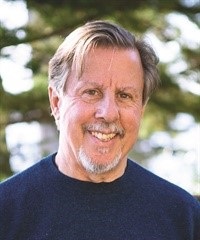
Richard Schwartz began his career as a family therapist and an academic at the University of Illinois at Chicago. There he discovered that family therapy alone did not achieve full symptom relief, and in asking patients why, he learned that they were plagued by what they called "parts." These patients became his teachers as they described how their parts formed networks of inner relationship that resembled the families he had been working with. He also found that as they focused on and, thereby, separated from their parts, they would shift into a state characterized by qualities like curiosity, calm, confidence and compassion. He called that inner essence the Self and was amazed to find it even in severely diagnosed and traumatized patients. From these explorations, the Internal Family Systems (IFS) model was born in the early 1980s.
IFS is now evidence-based and has become a widely-used form of psychotherapy, particularly with trauma. It provides a non-pathologizing, optimistic, and empowering perspective and a practical and effective set of techniques for working with individuals, couples, families, and more recently, corporations and classrooms.
In 2013, Schwartz left the Chicago area and now lives in Brookline, MA where he is on the faculty of the Department of Psychiatry at Harvard Medical School.
Speaker Disclosures:
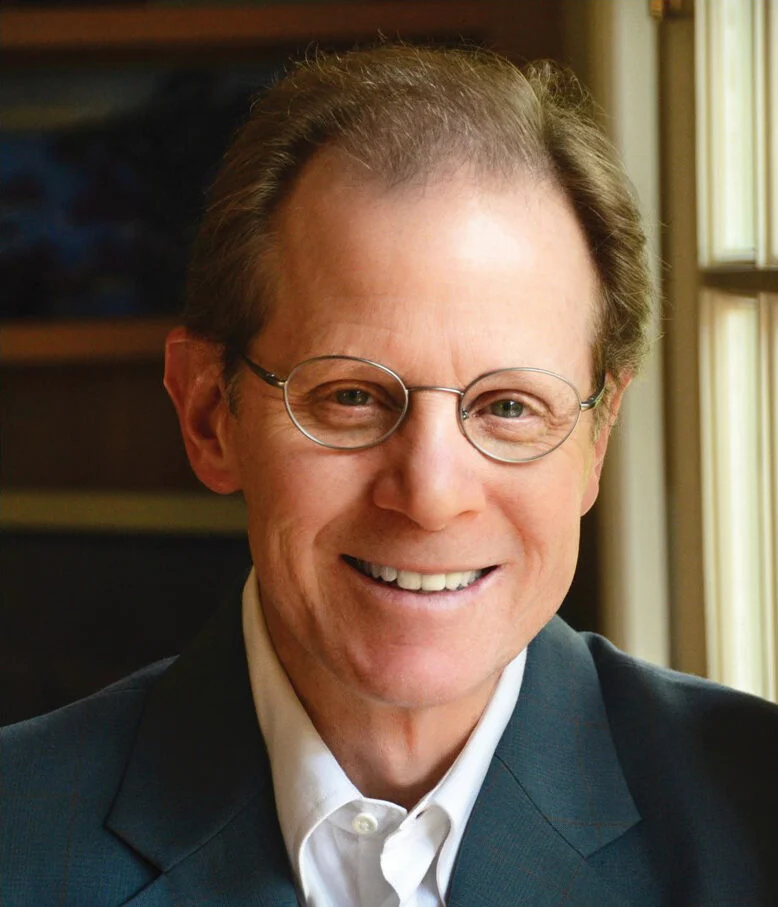
Dr. Dan Siegel is the founder and director of education of the Mindsight Institute and founding co-director of the Mindful Awareness Research Center at UCLA, where he was also co-principal investigator of the Center for Culture, Brain and Development and clinical professor of psychiatry at The School of Medicine.
An award-winning educator, Dan is the author of five New York Times bestsellers and over fifteen other books which have been translated into over forty languages. As the founding editor of the Norton Professional Series on Interpersonal Neurobiology (“IPNB”), Dan has overseen the publication of over one hundred books in the transdisciplinary IPNB frame which focuses on the mind and mental health.
A graduate of Harvard Medical School, Dan completed his postgraduate training at UCLA specializing in pediatrics, and adult, adolescent, and child psychiatry. He was trained in attachment research and narrative analysis through a National Institute of Mental Health research training fellowship focusing on how relationships shape our autobiographical ways of making sense of our lives and influence our development across the lifespan.
Speaker Disclosures
Financial: Dr. Dan Siegel serves as the Medical Director at the Lifespan Learning Institute and is the Co-Founder and Director of Education at the Mindsight Institute. He is also the founding editor of the Norton Series on Interpersonal Neurobiology. Dr. Siegel receives royalties as a published author and serves as a scientific advisor for the Inner Development Goals initiative and as an advisor for the Center for Child Well-Being. Additionally, he receives honoraria and recording royalties from Psychotherapy Networker and PESI, Inc. Dr. Siegel has no relevant financial relationships with ineligible organizations.
Non-financial: Dr. Dan Siegel is an honorary member of the Austrian Federal Association for Mindfulness. He also serves on the Board of the Garrison Institute and as an advisory board member for both Gloo and Convergence.
Richard Schwartz, PhD began his career as a family therapist and an academic at the University of Illinois at Chicago. There he discovered that family therapy alone did not achieve full symptom relief, and in asking patients why, he learned that they were plagued by what they called "parts." These patients became his teachers as they described how their parts formed networks of inner relationship that resembled the families he had been working with. He also found that as they focused on and, thereby, separated from their parts, they would shift into a state characterized by qualities like curiosity, calm, confidence and compassion. He called that inner essence the Self and was amazed to find it even in severely diagnosed and traumatized patients. From these explorations, the Internal Family Systems (IFS) model was born in the early 1980s.
IFS is now evidence-based and has become a widely-used form of psychotherapy, particularly with trauma. It provides a non-pathologizing, optimistic, and empowering perspective and a practical and effective set of techniques for working with individuals, couples, families, and more recently, corporations and classrooms.
In 2013, Schwartz left the Chicago area and now lives in Brookline, MA where he is on the faculty of the Department of Psychiatry at Harvard Medical School.
Speaker Disclosures:
Financial: Dr. Richard Schwartz is the Founder and President of the IFS Institute and maintains a private practice. He is a consultant with Portage-Cragin Mental Health and has a employment relationship with Harvard Medical School. He receives royalties as a published author. Dr. Schwartz receives a speaking honorarium, recording, and book royalties from Psychotherapy Networker and PESI, Inc. He has no relevant financial relationships with ineligible organizations.
Non-financial: Dr. Richard Schwartz is a fellow of Meadows Behavioral Healthcare and is a member of the American Family Therapy Academy and the American Association for Marital and Family Therapy. He is a contributing editor for Family Therapy Networker. Dr. Schwartz serves on the editorial boards for the Journal of Feminist Family Therapy, the Contemporary Family Therapy, the Journal of Family Psychotherapy, and the Family Therapy Collections.
| 5 |
|
| 4 |
|
| 3 |
|
| 2 |
|
| 1 |
|
| Module Title | Credit | Course Type | Duration | Course Details | |||||||||||||||||||||||||||||||||||||||||||||
|---|---|---|---|---|---|---|---|---|---|---|---|---|---|---|---|---|---|---|---|---|---|---|---|---|---|---|---|---|---|---|---|---|---|---|---|---|---|---|---|---|---|---|---|---|---|---|---|---|---|
|
Internal Family Systems Step By Step - Session 1
|
Click here for Credit Information | On Demand | 1 Hour 01 Minutes | More info » | |||||||||||||||||||||||||||||||||||||||||||||
|
Internal Family Systems Step By Step Session 2
|
Click here for Credit Information | On Demand | 1 Hour 23 Minutes | More info » | |||||||||||||||||||||||||||||||||||||||||||||
|
Internal Family Systems Step By Step Session 3
|
Click here for Credit Information | On Demand | 1 Hour 15 Minutes | More info » | |||||||||||||||||||||||||||||||||||||||||||||
|
Dick Schwartz Answers Your Questions about IFS
|
Click here for Credit Information | On Demand | 1 Hour 04 Minutes | More info » | |||||||||||||||||||||||||||||||||||||||||||||
|
The Myth of Unitary Self: A Dialogue on the Multiplicity of Mind with Daniel Siegel, MD and Richard Schwartz, Ph.D.
|
Click here for Credit Information | On Demand | 2 Hours | More info » | |||||||||||||||||||||||||||||||||||||||||||||
|
The Inner Game of Psychotherapy
|
Click here for Credit Information | On Demand | 50 Minutes | More info » | |||||||||||||||||||||||||||||||||||||||||||||
| Total Online Course CE Credit Information | |||||||||||||||||||||||||||||||||||||||||||||||||
Satisfaction Guarantee
Your satisfaction is our goal and our guarantee. Concerns should be addressed to: PO Box 1000, Eau Claire, WI 54702-1000 or call 1-800-844-8260.
ADA Needs
We would be happy to accommodate your ADA needs; please call our Customer Service Department for more information at 1-800-844-8260.
Please wait ...
