

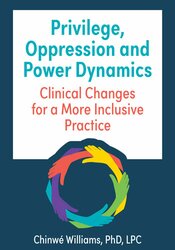
Digital Seminar
Privilege, Oppression and Power Dynamics
Clinical Changes for a More Inclusive Practice
- Average Rating:
- Not yet rated
- Faculty:
- Chinwé Williams, PhD
- Duration:
- 1 Hour 06 Minutes
- Format:
- Audio and Video
- Copyright:
-
Feb 23, 2023
- Product Code:
- POS059292
- Media Type:
- Digital Seminar

Description
Power and privilege are inherent in every relationship, including the therapeutic relationship. Experiencing racism, ableism, ageism, homophobia/heterosexism, and social exclusion and other forms of oppression has a detrimental impact on the mental health of individuals and communities. These parameters of social exclusion are always present in the therapy room in implicit and explicit ways. The therapeutic alliance between therapist and client has been demonstrated to be a key element for therapeutic effectiveness (Wampold, 2015). Differences in culture, social identity, and power affect how a client and clinician experience the therapeutic relationship, as well as clinical outcomes. In this session, you will discover strategies, practices, and clinical interventions that minimize power imbalances and promote equity and empowerment for all clients.
Credit
Faculty
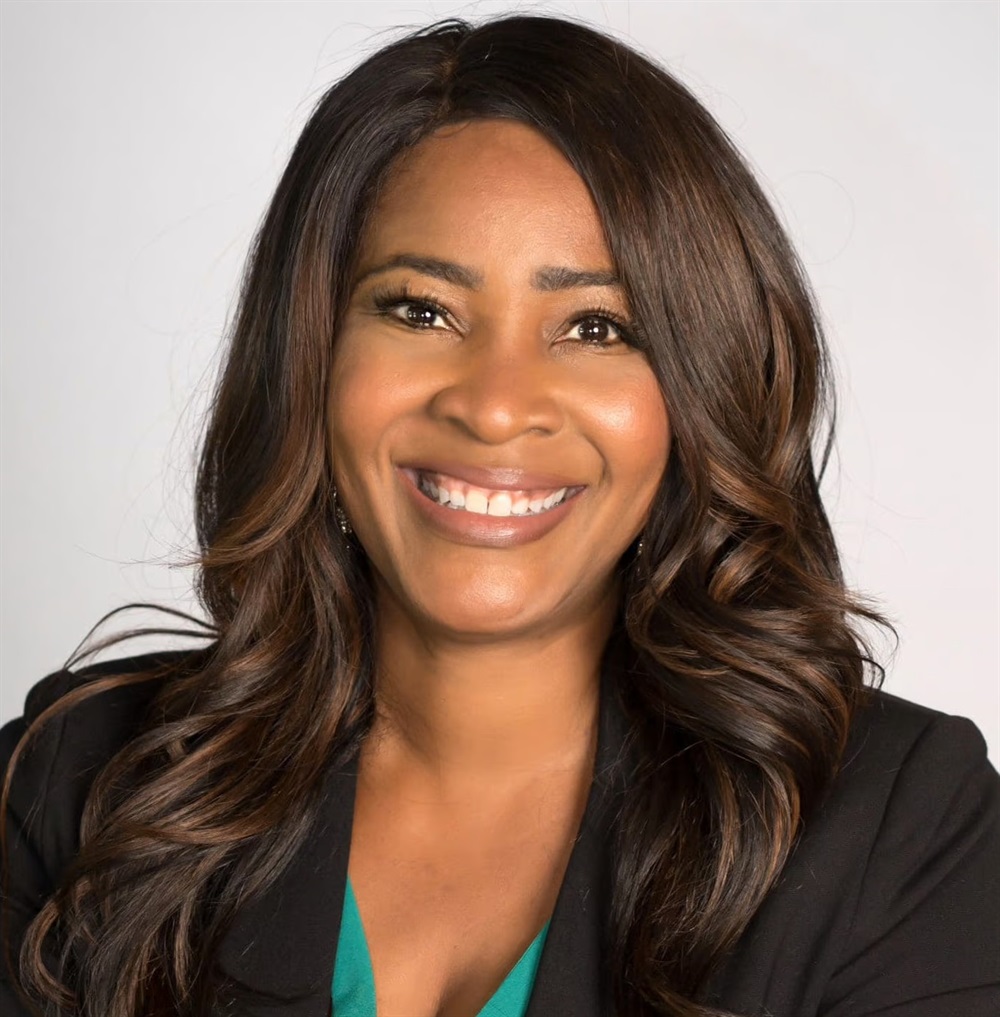
Chinwé Williams, PhD Related seminars and products
Chinwé Williams, PhD, is a licensed and board-certified EMDR therapist, and counselor educator and supervisor with close to two decades of experience supporting individuals in trauma recovery. She has a strong commitment to helping clients overcome various forms of trauma and anxiety. As a published researcher, author, consultant, and educator, Dr. Williams brings a wealth of knowledge to her work.
Her expertise lies in somatically focused approaches that teach clients how to regulate the nervous system and utilize the body for healing from various traumatic experiences. Formerly a faculty member at Georgia State University, the University of Central Florida, and Rollins College, she specializes in trauma recovery, stress/anxiety management, adolescent and women’s wellness, and equity-centered trauma-informed education.
Dr. Williams is actively involved in contributing to the field of behavioral health. She consults with several corporate and nonprofit organizations, and school districts. Dr. Williams also serves on the advisory board for Brightline, a telemedicine company providing mental health support to kids, teens, and families. In this role, she consults on the best practices to support diverse youth and families through programs, content development, and care team training.
She is the author of three books, SEEN: Healing Despair and Anxiety in Kids and Teens Through The Power of Connection, Beyond the Spiral: Why You Shouldn’t Believe Everything Anxiety Tells You, and Calm, Courageous and Connected: A Parent’s Guide to Raising Emotionally Resilient Kids. As the owner of Meaningful Solutions Counseling & Consulting, a thriving private practice in Roswell, GA, Dr. Williams applies her expertise to address a broad range of trauma issues across many client demographics.
Speaker Disclosures:
Financial: Dr. Chinwé Williams maintains a private practice, the co-owner of Southeastern Counselor Training Institute, and a presenter for Lyra Health. She receives a speaking honorarium and recording royalties from PESI, Inc. She has no relevant financial relationships with ineligible organizations.
Non-financial: Dr. Chinwé Williams is a subject matter expert with Orange.
Additional Info
Access for Self-Study (Non-Interactive)Access never expires for this product.
For a more detailed outline that includes times or durations of time, if needed, please contact cepesi@pesi.com
Questions?
Visit our FAQ page at www.pesi.com/faq or contact us at www.pesi.com/info
Objectives
- Analyze how privilege, systemic oppression, and practices of exclusion are reproduced within the counseling relationship.
- Evaluate factors that influence power dynamics within the counseling relationship.
- Utilize tools to self-examine and reflect on identity, hidden biases, and privilege so as not to enact harm to clients.
- Employ strategies, practices, and clinical interventions that minimize power imbalances and promote equity and empowerment for all clients.
Outline
- An understanding of how privilege, systemic oppression, and practices of exclusion are reproduced within the counseling relationship
- Factors that influence power dynamics within the counseling relationship
- Tools to self-examine and reflect on therapist identity, hidden biases, and privilege so as not to enact harm to clients
- Strategies, practices, and clinical interventions that minimize power imbalances and promote equity and empowerment for all clients
- Risks and limitations associated with developing an inclusive practice
Target Audience
- Counselors
- Educators
- Marriage and Family Therapists
- Nurses
- Psychologists
- Social Workers
- Other Mental Health Professionals



Reviews
Satisfaction Guarantee
Your satisfaction is our goal and our guarantee. Concerns should be addressed to: PO Box 1000, Eau Claire, WI 54702-1000 or call 1-800-844-8260.
ADA Needs
We would be happy to accommodate your ADA needs; please call our Customer Service Department for more information at 1-800-844-8260.
Please wait ...